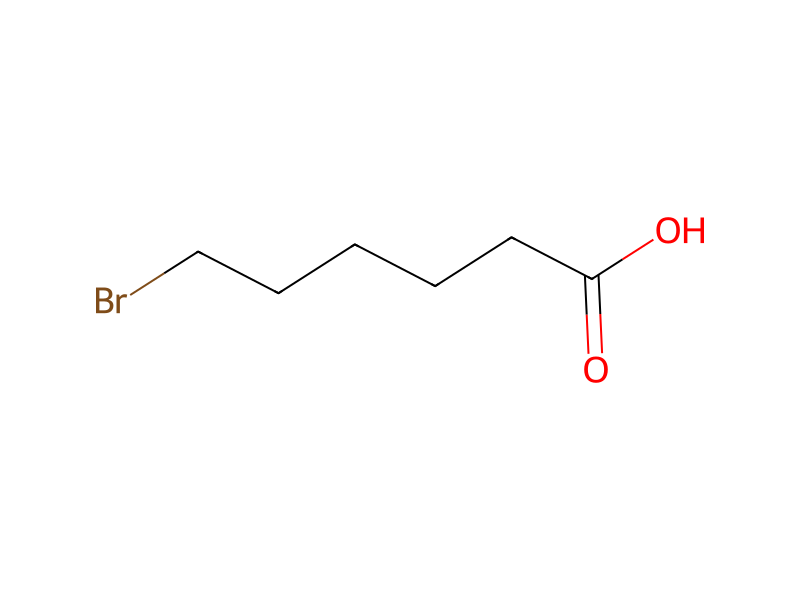
A solution of 5-methoxy-3-methyl-2-(1-imidazolyl)indole (0.57 g) in dimethylformamide (4 ml) is added dropwise to a suspension of sodium hydride (50% dispersion in mineral oil), 0.27 g in dimethylformamide (5 ml) while stirring under N2 at 0°-5°. The mixture is stirred at 5° for 1/2 hour. A solution of 6-bromohexanoic acid (0.55 g) in dimethylformamide (4 ml) is added dropwise to the reaction mixture while stirring at 0°-5°. The mixture is stirred at 0°-5° for 1/2 hour and then overnight at room temperature. The thick suspension is diluted with water (50 ml) and the mixture is washed with ether (2×25 ml). The aqueous layer is acidified to pH 5.6 with 1N hydrochloric acid and extracted with ethyl acetate (3×30 ml). The organic extract is dried over magnesium sulfate, filtered, and concentrated in vacuo to give an oil which becomes partially crystalline. This material is triturated with ether and the solid is collected to give 1-(5-carboxypentyl)-5-methoxy-3-methylindole, m.p. 134°-137°.