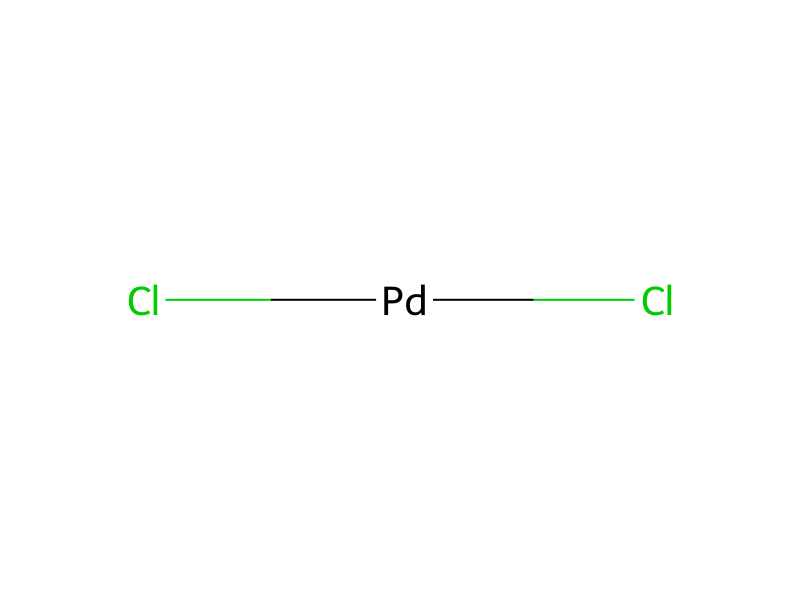
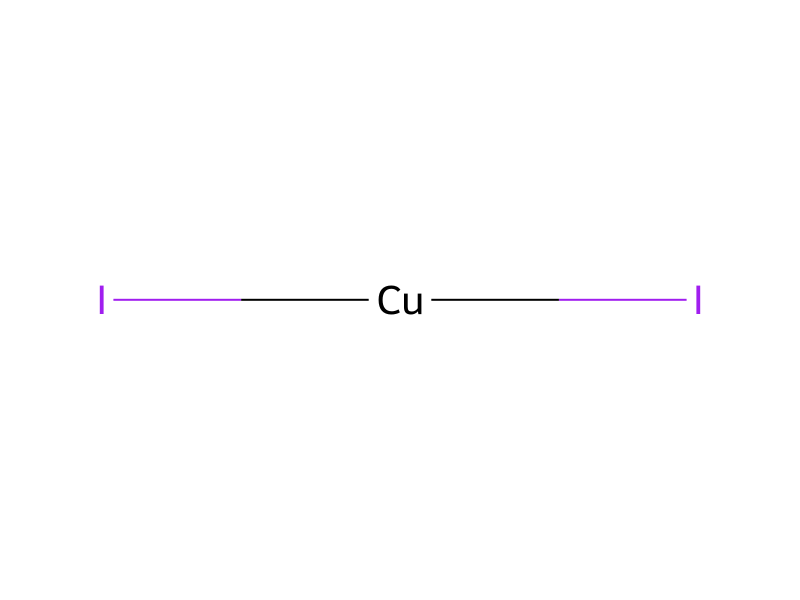
I[C:2]1[CH:19]=[CH:18][C:5]([CH2:6][N:7]2[C:15](=[O:16])[C:14]3[C:9](=[CH:10][CH:11]=[CH:12][CH:13]=3)[C:8]2=[O:17])=[CH:4][CH:3]=1.[CH2:20]([OH:24])[CH2:21][C:22]#[CH:23]>[Pd](Cl)Cl.[Cu](I)I.C1(P(C2C=CC=CC=2)C2C=CC=CC=2)C=CC=CC=1.CN(C=O)C>[OH:24][CH2:20][CH2:21][C:22]#[C:23][C:2]1[CH:19]=[CH:18][C:5]([CH2:6][N:7]2[C:15](=[O:16])[C:14]3[C:9](=[CH:10][CH:11]=[CH:12][CH:13]=3)[C:8]2=[O:17])=[CH:4][CH:3]=1To a slurry of 2-(4 iodo-benzyl)-isoindole-1,3-dione (2.0 g, 5.51 mmol), triphenylphosphine (14.4 mg, 0.055 mmol), and palladium chloride (5 mg, 0.028 mmol) in DEA (20 mL) was added DMF (4 mL) and copper iodide (11 mg, 0.055 mmol) followed by 3-butyn-1-ol (417 μL, 5.51 mmol). The reaction stirred at room temperature overnight under nitrogen atmosphere. The next day, the reaction mixture was concentrated and purified by flash column chromatography (2:1 Hexane:ethyl acetate) to yield the product as a yellow solid (0.76 g, 45% yield). 1H NMR (600 MHz, CDCl3): δ 7.86 (m, 2H), 7.76 (m, 2H), 7.36 (s, 4H), 4.83 (s, 2H), 3.80 (q, 2H, J=6.3 Hz), 2.68 (t, 2H, J=6.2 Hz), 1.80 (t, 1H, J=6.4 Hz); 13C NMR (150 MHz, CDCl3): δ 167.5, 135.5, 133.6, 131.5, 131.4, 128.0, 122.9, 122.5, 86.3, 81.5, 60.6, 40.8, 23.3.