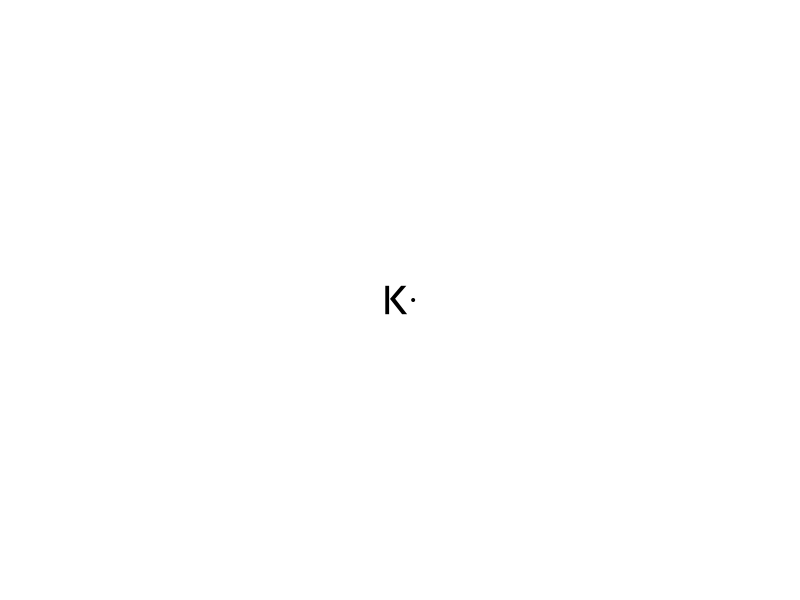
[K].[OH:2][C:3]1[CH:8]=[CH:7][C:6]([CH:9]=[CH:10][C:11]2[CH:16]=[CH:15][C:14]([N+:17]([O-:19])=[O:18])=[CH:13][CH:12]=2)=[CH:5][CH:4]=1.C1OCCOCCOCCOCCOCCOC1.I[CH2:39][CH2:40][CH2:41][OH:42]>C(#N)C>[OH:42][CH2:41][CH2:40][CH2:39][O:2][C:3]1[CH:8]=[CH:7][C:6]([CH:9]=[CH:10][C:11]2[CH:16]=[CH:15][C:14]([N+:17]([O-:19])=[O:18])=[CH:13][CH:12]=2)=[CH:5][CH:4]=1The potassium salt of 4-hydroxy-4'-nitrostilbene from Example 4 (280 g, 1 m), acetonitrile (2 liters) and the catalyst 18-Crown-6 (1 g) were charged into a 4 liter 3 necked flask equipped with a reflux condenser, mechanical stirrer, a heating mantle, and an addition funnel, and provided with argon atmosphere. The mixture was kept gently refluxing and stirring, while 3-iodopropan-1-ol (223 g, 1.2 m) was added dropwise over a period of about 3 hours. The reaction mixture was refluxed for about 24 hours. About a liter of the solvent was then distilled off at atmospheric pressure, and the reaction mixture was allowed to cool to ambient temperature. The yellow solid was filtered, dried, and recrystallized from toluene to yield yellow crystals of compound of Formula 28. Yield 210 g (70%).