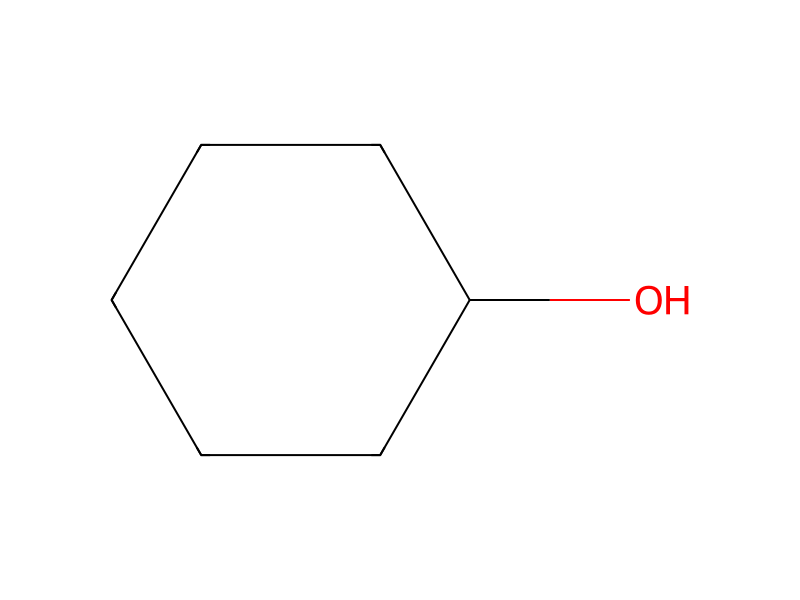
A mixture of 43 parts of methyl 4-amino-3-methyl-1-piperidinecarboxylate, 57.6 parts of 1,4-dichloro-2-nitrobenzene, 32 parts of sodium carbonate, 0.2 parts of potassium iodide and 160 parts of cyclohexanol is stirred and refluxed (160°-163° C) for 20 hours with water-separator. The reaction mixture is evaporated. Water is added and the product is extracted with methylbenzene. The extract is dried, filtered and evaporated. The residue is purified by column-chromatography over silicagel, using a mixture of trichloromethane and 5% of methanol as eluent. The pure fractions are collected and the eluent is evaporated. Methylbenzene is added to the oily residue and the whole is washed with a diluted hydrochloric acid solution. After filtration over hyflo, the layers are separated. The methylbenzene phase is treated with activated charcoal. The latter is filtered off and the filtrate is dried, filtered and evaporated, yielding methyl 4-(4-chloro-2-nitrophenylamino)-3-methyl-1-piperidinecarboxylate as an oily residue.