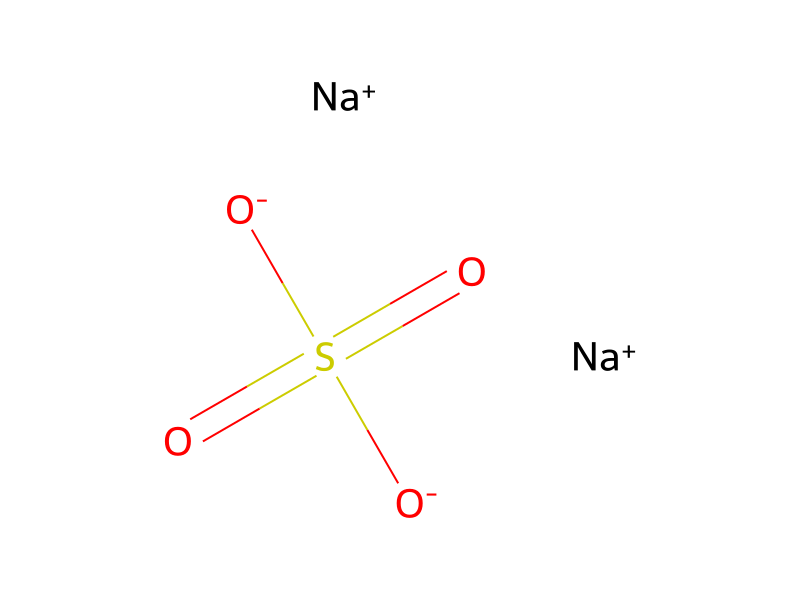
368 gm of cyclododecanol (2.0 mols), 250 gm of anhydrous sodium sulfate and 66,0 gm of paraformaldehyde were dispersed in 600 ml of xylene and the mixture was cooled to a temperature of -20° C. While the mixture was stirred energetically, as strong a flow as possible of hydrogen chlorine was introduced, the speed at which it was introduced being controlled such that the reaction temperature did not exceed +5° C. After approximately one hour the speed of introduction was decreased and subsequent reaction was effected while hydrogen chloride was bubbled through gently. Water-jet vacuum was then applied gradually during energetic stirring in order to remove surplus hydrogen chloride. When the highest water-jet vacuum had been achieved, the mixture was heated to 30° C over a period of one hour, and subsequent stirring was effected at this temperature for a further hour. The sodium sulfate was then drawn off by vacuum filtration and the solution of the chloromethoxy-cyclododecane thus obtained could be used for the next reaction without special processing.