Tert-Butylamine → HCID 3055552, Verbindung
Reaktionsgleichung

[CH3:1][C:2]1[S:3][C:4]([CH:7]=[CH:8][C:9]2[CH:14]=[CH:13][CH:12]=[CH:11][C:10]=2[O:15][CH2:16][CH:17]([OH:20])[CH2:18]Cl)=[N:5][N:6]=1.[C:21]([NH2:25])([CH3:24])([CH3:23])[CH3:22]>O1CCOCC1>[CH3:1][C:2]1[S:3][C:4]([CH:7]=[CH:8][C:9]2[CH:14]=[CH:13][CH:12]=[CH:11][C:10]=2[O:15][CH2:16][CH:17]([OH:20])[CH2:18][NH:25][C:21]([CH3:24])([CH3:23])[CH3:22])=[N:5][N:6]=1Komponenten
4
Edukt 2
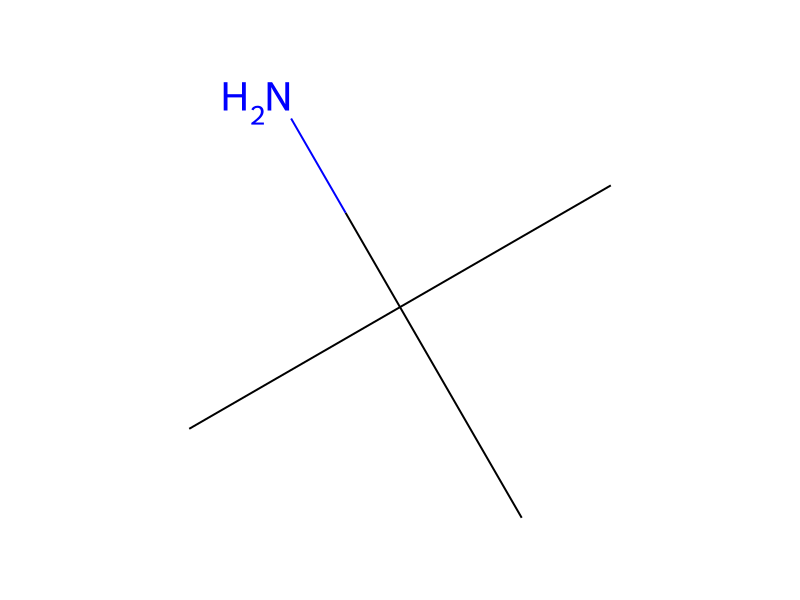

Produkt 1

Reagenzien, Katalysatoren, Lösungsmittel 1

Versuchsvorschrift
1.6 g of 2-methyl-5-[2-(2-hydroxy-3-chloro-propoxy)-styryl]-1,3,4-thiadiazole and 10 ml of tert.-butylamine in 50 ml of dioxane are heated for 10 hours at 100° C. in an autoclave. After distilling off the volatile constitutents under reduced pressure the highly viscous crude product is chromatographed over a dry silica gel column, using chloroform. The residue obtained on evaporating the eluates containing the product gives 2-methyl-5-[2-(2-hydroxy-3-tert.-butylamino-propoxy)styryl]-1,3,4-thiadiazole. The compound, in its isolated form, is identical with the compound obtained as described in Example 3.