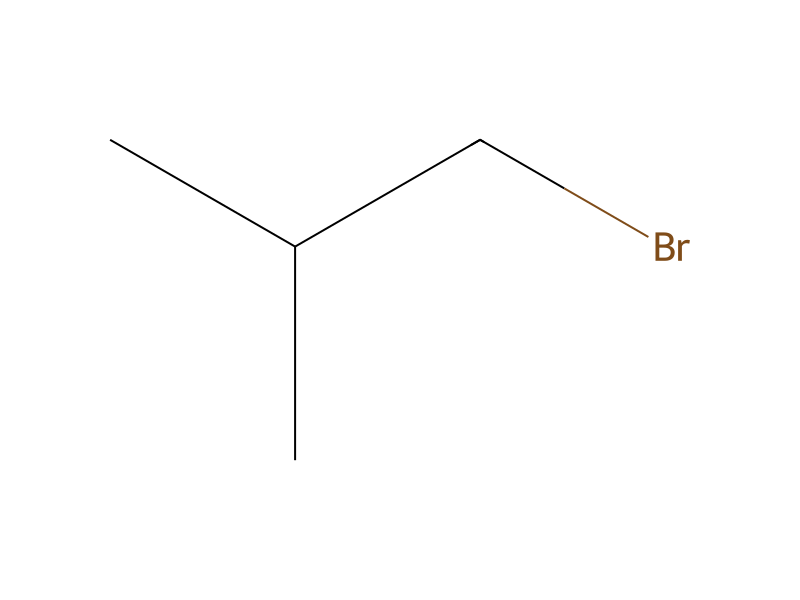
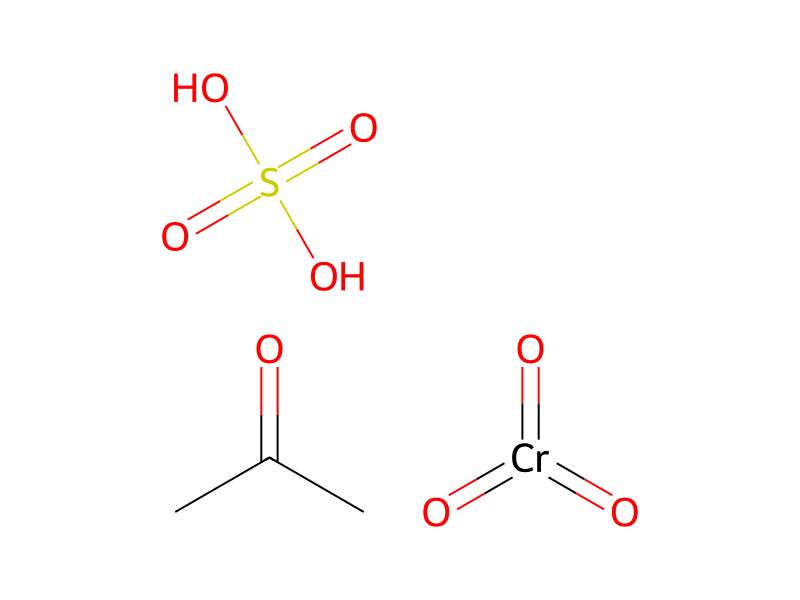
To a solution of 5.0 g (28.9 mmol) of the aldehyde derivative (3-phenylisoxazole-5-aldehyde), which had been prepared above in the procedure (1), in 40 ml of tetrahydrofuran, was added dropwise at -50° C. to -30° C. a solution of isobutylmagnesium bromide, which had been prepared from 1.4 g of metallic magnesium and 7.9 g (57.7 mmol) of isobutyl bromide, in 80 ml of tetrahydrofuran. After completion of the dropwise addition, they were reacted for 1 hour at the same temperature. Thereafter, a saturated aqueous solution of ammonium chloride was added. The reaction mixture was added into water and then extracted with diethyl ether. The solvent was distilled off. An oily residue thus obtained was dissolved in 50 ml of acetone, followed by the oxidation with the Jones' reagent under ice cooling. Isopropyl alcohol was added to react the same with the Jones' reagent, and an insoluble material was then filtered off. After substantial removal of acetone by distillation, the residue was added into water and then extracted with ethyl acetate. Subsequent removal of the solvent by distillation, the residue was purified by silica gel chromatography (eluent: chloroform) so that 3-phenyl-5-(3-methyl-butyryl) isoxazole was obtained as crystals. Analytical results of the crystals obtained: Yield: 1.5 g (22.7%). Melting point: 62°-64° C.