Reaktionsgleichung

[NH2:1][C:2]1[N:7]([CH:8]2[CH2:10][CH2:9]2)[C:6](=[O:11])[N:5]([CH:12]2[CH2:14][CH2:13]2)[C:4](=[O:15])[C:3]=1[N:16]=O.S(S([O-])=O)([O-])=O.[Na+].[Na+].NC1N(CC2CC2)C(=O)N(CC2CC2)C(=O)C=1.N([O-])=O.[Na+]>>[NH2:16][C:3]1[C:4](=[O:15])[N:5]([CH:12]2[CH2:14][CH2:13]2)[C:6](=[O:11])[N:7]([CH:8]2[CH2:10][CH2:9]2)[C:2]=1[NH2:1]Komponenten
5




Versuchsvorschrift
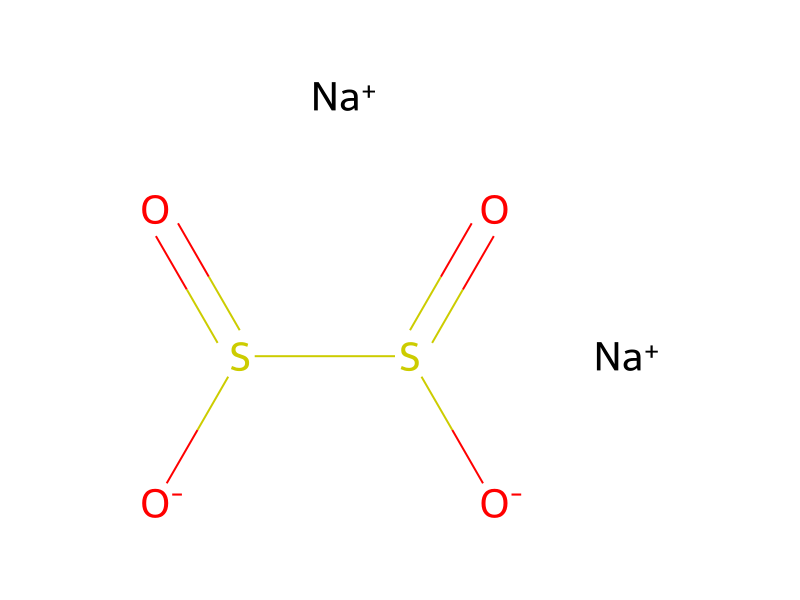
The procedure similar to that described in Reference Example 1 was repeated except that 1.55 g (6.57 mmol) of Compound g prepared above and 2.86 g (16.4 mmol) of sodium hydrosulfite were employed in place of 6-amino-1,3-bis(cyclopropylmethyl)uracil and sodium nitrite, respectively. As a result, 1.24 g (yield: 75%) of Compound d was obtained as white powder.
Quellen und Nachweise
- ORD-Eintrag
- ord-7f19b1ecd37541a5b447b5dec28647c5
- Quelldatensatz
- uspto-grants-1994_08
- Patentnummer
- US05342841
Verknüpfte Notizen
Wird geladen…