StartseiteMCPWorkbenchSkills
StartseiteWorkbenchBenachrichtigungenMein Bereich
llms.txt · MCP-AnleitungDatenschutz · Nutzungsbedingungen · Supportv1.8.3
  1. Startseite
  2. /Reaktion

Ethyl Acetate → N-(1-acetyl-5-ethoxycarbonylmethyl-4,6-dimethylindolin-7-yl)-2,2-dimethylpropanamide

HRID 1744042
Drucken

Reaktionsgleichung

Reaktionsgleichung von HRID 1744042
[C:1]([N:4]1[C:12]2[C:7](=[C:8]([CH3:21])[C:9]([CH2:15][C:16]([O:18][CH2:19][CH3:20])=[O:17])=[C:10]([CH3:14])[C:11]=2[NH2:13])[CH2:6][CH2:5]1)(=[O:3])[CH3:2].C(N(C(C)C)CC)(C)C.[C:31](Cl)(=[O:36])[C:32]([CH3:35])([CH3:34])[CH3:33].C(OCC)(=O)C>ClCCl>[C:1]([N:4]1[C:12]2[C:7](=[C:8]([CH3:21])[C:9]([CH2:15][C:16]([O:18][CH2:19][CH3:20])=[O:17])=[C:10]([CH3:14])[C:11]=2[NH:13][C:31](=[O:36])[C:32]([CH3:35])([CH3:34])[CH3:33])[CH2:6][CH2:5]1)(=[O:3])[CH3:2]
KomponentenVersuchsvorschriftAufarbeitungQuellen und NachweiseNotizen zur Reaktion

Komponenten

6

Edukt 4

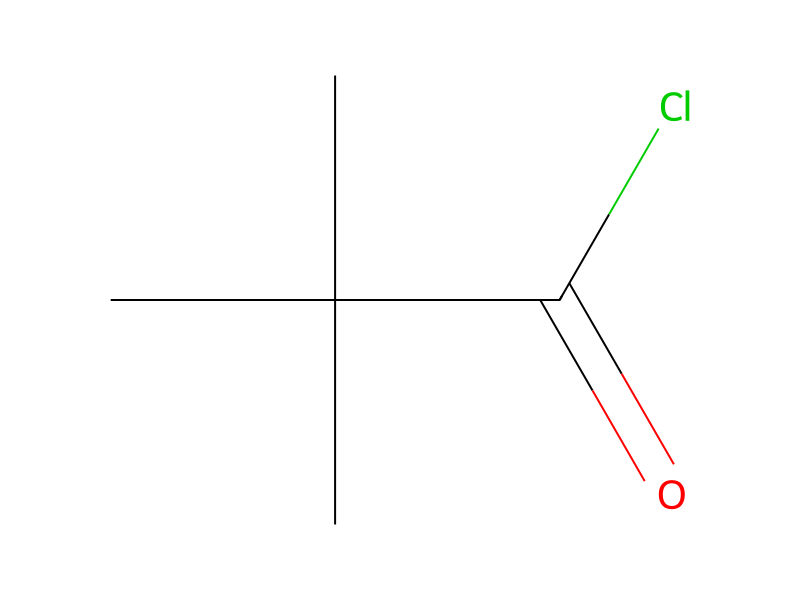
HCID 8857Ethyl AcetateHCID 62493Pivaloyl chlorideHCID 81531DiisopropylethylamineHCID 121122011-Acetyl-7-amino-5-ethoxycarbonylmethyl-4,6-dimethylindoline

Produkt 1

HCID 15524344N-(1-acetyl-5-ethoxycarbonylmethyl-4,6-dimethylindolin-7-yl)-2,2-dimethylpropanamideAusbeute 76 %

Reagenzien, Katalysatoren, Lösungsmittel

1
HCID 6344DichloromethaneLösungsmittel

Versuchsvorschrift

To a solution of 1-acetyl-7-amino-5-ethoxycarbonylmethyl-4,6-dimethylindoline obtained in Example 7 (4.0 g) in dichloromethane (40 ml) was added diisopropylethylamine (2.14 g, 1.2 equivalent) with stirring, and the resulting mixture was cooled to 0–5° C. Subsequently, to the reaction mixture was added dropwise pivaloyl chloride (1.74 g, 1.05 equivalent) at 0–5° C., and the resulting mixture was stirred for 1.0 hour at this temperature. The reaction mixture was washed with water (40 ml), and the resulting mixture was partitioned. The separated organic layer was washed twice with a saturated sodium hydrogen carbonate solution (20 ml each) and concentrated under reduced pressure. To the residue obtained was added ethyl acetate (20 ml), and the resulting mixture was concentrated under reduced pressure to about 12 ml. This addition and evaporation of ethyl acetate was repeated once again, and the resulting mixture was stirred at room temperature. After stirring, ethylcyclohexane (28 ml) was added, and the resulting mixture was stirred for more than 10 minutes at room temperature and then for more than 30 minutes at 0–5° C. Crystals precipitated were separated by filtration, washed with a mixed solvent of ethyl acetate and ethylcyclohexane (1:4)(40 ml) and dried under reduced pressure (50° C.) to afford the title compound (3.92 g, yield: 76%) as colourless crystals.


Aufarbeitung

  1. temperaturethe resulting mixture was cooled to 0–5° C
  2. stirringthe resulting mixture was stirred for 1.0 hour at this temperature
  3. washThe reaction mixture was washed with water (40 ml)
  4. customthe resulting mixture was partitioned
  5. washThe separated organic layer was washed twice with a saturated sodium hydrogen carbonate solution (20 ml each)
  6. concentrationconcentrated under reduced pressure
  7. customTo the residue obtained
  8. concentrationthe resulting mixture was concentrated under reduced pressure to about 12 ml
  9. additionThis addition and evaporation of ethyl acetate
  10. stirringthe resulting mixture was stirred at room temperature
  11. stirringAfter stirring
  12. additionethylcyclohexane (28 ml) was added
  13. stirringthe resulting mixture was stirred for more than 10 minutes at room temperature
  14. waitfor more than 30 minutes at 0–5° C
  15. customCrystals precipitated
  16. customwere separated by filtration
  17. washwashed with a mixed solvent of ethyl acetate and ethylcyclohexane (1:4)(40 ml)
  18. customdried under reduced pressure (50° C.)

Quellen und Nachweise

ORD-Eintrag
ord-999245de1f5a45ac8632403fb2bd3802
Quelldatensatz
uspto-grants-2006_03
DOI
10.6084/m9.figshare.5104873.v1
Patentnummer
US07012147B2

Notizen zur Reaktion

Auf dieser SeiteKomponentenVersuchsvorschriftAufarbeitungQuellen und NachweiseNotizen zur Reaktion