Tetrahydrofuran → 1-Pyrenylbutyl methacrylate
HRID 1746335
Reaktionsgleichung

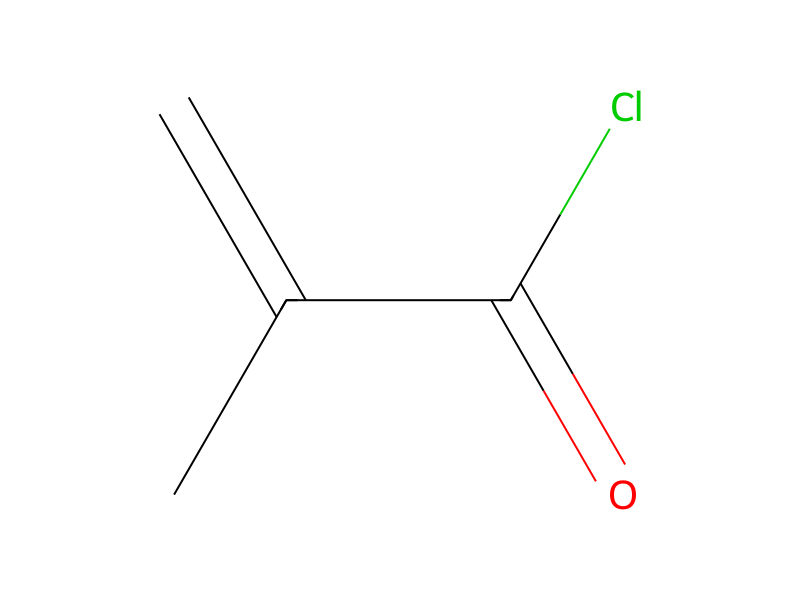
[C:1]1([CH2:17][CH2:18][CH2:19][CH2:20]O)[C:14]2[C:15]3=[C:16]4[C:11](=[CH:12][CH:13]=2)[CH:10]=[CH:9][CH:8]=[C:7]4[CH:6]=[CH:5][C:4]3=[CH:3][CH:2]=1.C(N(CC)CC)C.[C:29](Cl)(=[O:33])[C:30]([CH3:32])=[CH2:31].[O:35]1CCCC1>>[C:29]([O:33][CH:17]([C:1]1[C:14]2[C:15]3=[C:16]4[C:11](=[CH:12][CH:13]=2)[CH:10]=[CH:9][CH:8]=[C:7]4[CH:6]=[CH:5][C:4]3=[CH:3][CH:2]=1)[CH2:18][CH2:19][CH3:20])(=[O:35])[C:30]([CH3:32])=[CH2:31]Komponenten
5




Versuchsvorschrift
In 100 ml of tetrahydrofuran, 5.0 g of 1-pyrenebutanol and 3.68 g of triethylamine were dissolved, and 1.90 g of methacryloyl chloride was added dropwise thereto at 0° C., followed by stirring at room temperature for 1 hour. A deposited material was filtered while being washed with ethyl acetate. The filtrate and the washing liquid were mixed. After the mixture was dried with magnesium sulfate, the solvent was removed by evaporation under a reduced pressure. A residue was purified by a column chromatograph (silica gel, hexane:ethyl acetate=10:1), and vacuum-dried to thus obtain 1-pyrenylbutyl methacrylate.