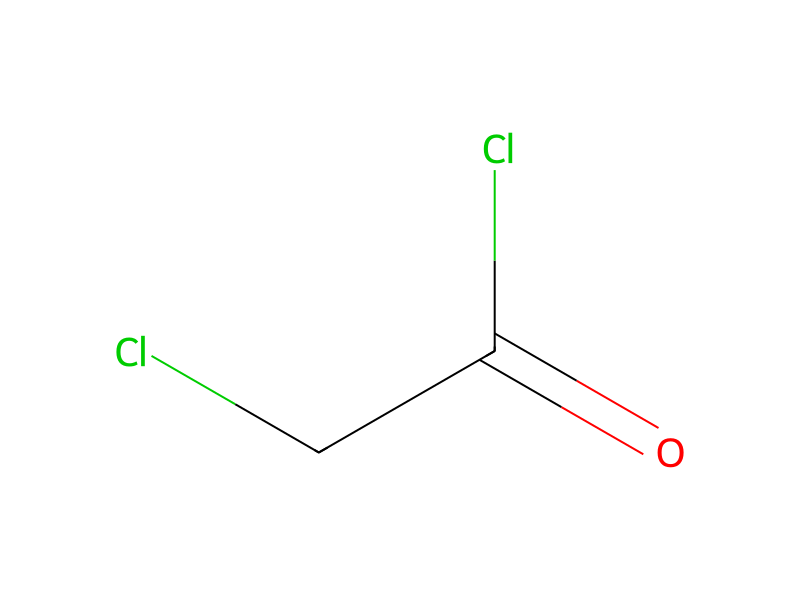
To a solution of 2-[4-(5-bromo-3-methylpyridin-2-yl)cyclohex-3-en-yl]aminoethanol (860 mg) and triethylamine (0.424 ml) in dichloromethane (10 ml) was added chloroacetic acid chloride (0.242 ml) under ice-cooling with stirring. The mixture was stirred at the same temperature for 1 hour, then water was added thereto, and extracted with chloroform. The organic layer was dried over anhydrous sodium sulfate, and then the solvent was evaporated. The obtained residue was dissolved in isopropyl alcohol (10 ml), and hydroxide potassium (129 mg) was added thereto at room temperature with stirring. The mixture was stirred at the same temperature for 8 hours, and then to the reaction solution was added water, and extracted with chloroform. The organic layer was dried over anhydrous sodium sulfate, and then the solvent was evaporated. The obtained residue was purified with silica gel column chromatography (n-hexane/ethyl acetate) to give the titled compound (855 mg) as a white solid.