StartseiteMCPWorkbenchSkills
StartseiteWorkbenchBenachrichtigungenMein Bereich
llms.txt · MCP-AnleitungDatenschutz · Nutzungsbedingungen · Supportv1.8.3
  1. Startseite
  2. /Reaktion

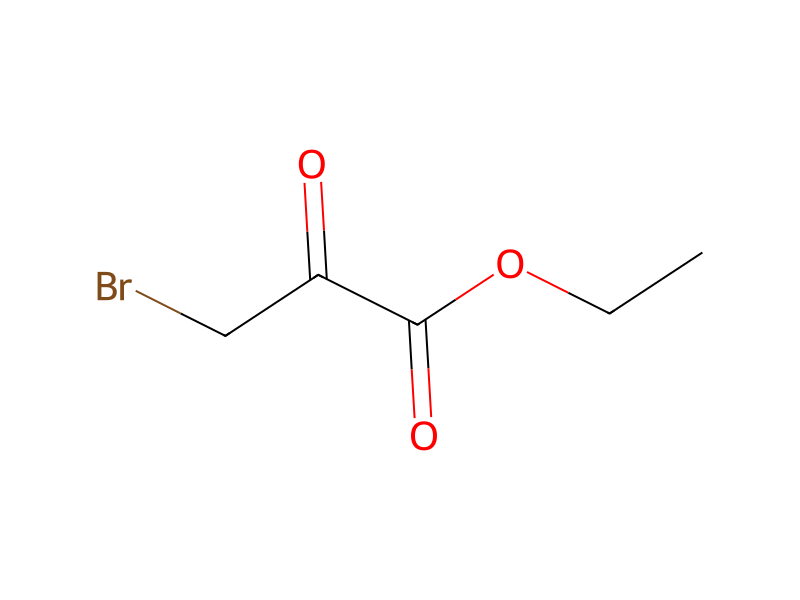
Ethyl bromopyruvate → Ethyl 2-(4-cyano-7-fluoro-5-methyl-6-phenyl-1,3-benzoxazol-2-yl)-1,3-thiazole-4-carboxylate

HRID 17490
Drucken

Reaktionsgleichung

Reaktionsgleichung von HRID 17490
Br[CH2:2][C:3](=O)[C:4]([O:6][CH2:7][CH3:8])=[O:5].[C:10]([C:12]1[C:17]2[N:18]=[C:19]([C:21](=[S:23])[NH2:22])[O:20][C:16]=2[C:15]([F:24])=[C:14]([C:25]2[CH:30]=[CH:29][CH:28]=[CH:27][CH:26]=2)[C:13]=1[CH3:31])#[N:11].O.C1(C)C=CC(S(O)(=O)=O)=CC=1.C(=O)([O-])O.[Na+]>O.C1(C)C=CC=CC=1>[C:10]([C:12]1[C:17]2[N:18]=[C:19]([C:21]3[S:23][CH:2]=[C:3]([C:4]([O:6][CH2:7][CH3:8])=[O:5])[N:22]=3)[O:20][C:16]=2[C:15]([F:24])=[C:14]([C:25]2[CH:30]=[CH:29][CH:28]=[CH:27][CH:26]=2)[C:13]=1[CH3:31])#[N:11]
KomponentenReaktionsbedingungenVersuchsvorschriftAufarbeitungQuellen und NachweiseNotizen zur Reaktion

Komponenten

7

Edukt 4

HCID 66144Ethyl bromopyruvateHCID 516892Sodium BicarbonateHCID 521998p-Toluenesulfonic acid monohydrateHCID 860973994-Cyano-7-fluoro-5-methyl-6-phenyl-1,3-benzoxazole-2-carbothioamide

Produkt 1

HCID 68584336Ethyl 2-(4-cyano-7-fluoro-5-methyl-6-phenyl-1,3-benzoxazol-2-yl)-1,3-thiazole-4-carboxylateAusbeute 91,3 %

Reagenzien, Katalysatoren, Lösungsmittel 2

HCID 962WaterLösungsmittelHCID 1140TolueneLösungsmittel

Reaktionsbedingungen

Temperatur
125 °C

Versuchsvorschrift

Ethyl 3-bromopyruvate (72.2 μl, 0.518 mmol) was added to a toluene (10 ml) solution of 4-cyano-7-fluoro-5-methyl-6-phenyl-1,3-benzoxazole-2-carbothioamide (I-196-1) (124 mg, 0.398 mmol), followed by heating under reflux in an oil bath at 125° C. for 2 hours. After cooling to room temperature, p-toluenesulfonic acid monohydrate (15.2 mg, 0.080 mmol) was added to the reaction liquid, followed by heating under reflux in an oil bath at 125° C. for 15 hours. After cooling to room temperature, an aqueous saturated sodium hydrogencarbonate solution (50 ml) and water (50 ml) were added, followed by extraction with ethyl acetate (50 ml×2). The organic layer was washed with an aqueous saturated sodium hydrogencarbonate solution (50 ml) and saturated brine (50 ml), and dried over anhydrous sodium sulfate. After concentration, the resulting residue was purified by silica gel column chromatography (eluent, chloroform:ethyl acetate=100:1→25:1) to obtain the entitled compound (148 mg, 91.2%) as a pale yellow solid.

Aufarbeitung

  1. temperatureby heating
  2. temperatureAfter cooling to room temperature
  3. temperatureby heating
  4. temperatureunder reflux in an oil bath at 125° C. for 15 hours
  5. temperatureAfter cooling to room temperature
  6. extractionfollowed by extraction with ethyl acetate (50 ml×2)
  7. washThe organic layer was washed with an aqueous saturated sodium hydrogencarbonate solution (50 ml) and saturated brine (50 ml)
  8. dry with materialdried over anhydrous sodium sulfate
  9. concentrationAfter concentration
  10. customthe resulting residue was purified by silica gel column chromatography (eluent, chloroform:ethyl acetate=100:1→25:1)

Quellen und Nachweise

ORD-Eintrag
ord-1171c5d92c7945a39487ce52620c7f22
Quelldatensatz
uspto-grants-2010_06
DOI
10.6084/m9.figshare.5104873.v1
Patentnummer
US07737166B2

Notizen zur Reaktion

Auf dieser SeiteKomponentenReaktionsbedingungenVersuchsvorschriftAufarbeitungQuellen und NachweiseNotizen zur Reaktion