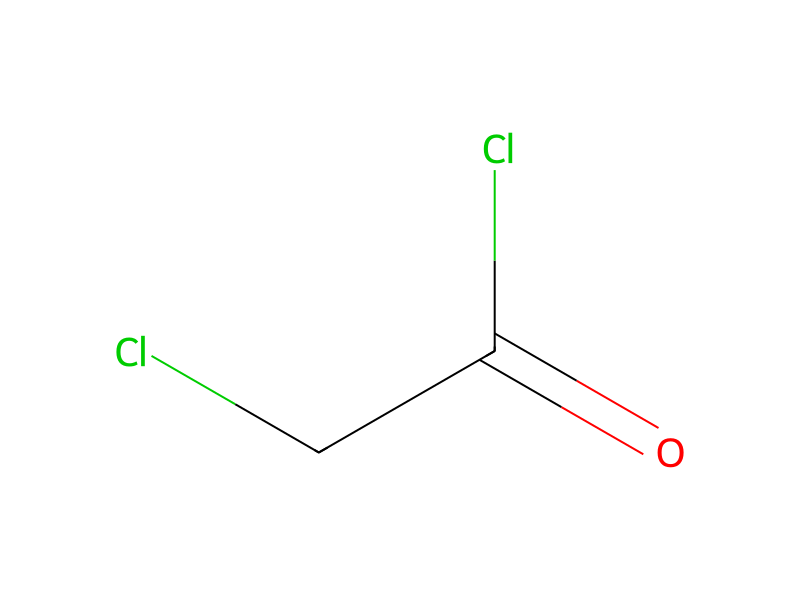
[CH2:1]([NH:4][CH2:5][CH:6]([O:9][CH3:10])[O:7][CH3:8])[C:2]#[CH:3].C1C=CC=CC=1.C(=O)([O-])[O-].[Na+].[Na+].[Cl:23][CH2:24][C:25](Cl)=[O:26]>O>[CH2:1]([N:4]([CH2:5][CH:6]([O:9][CH3:10])[O:7][CH3:8])[C:25](=[O:26])[CH2:24][Cl:23])[C:2]#[CH:3]N-Propargyl-N-(2,2-dimethoxyethyl)amine (9 grams), benzene (100 ml), water (100 ml) and sodium carbonate (8 grams) were charged into a glass reaction vessel equipped with a mechanical stirrer and thermometer. The reaction mixture was cooled to a temperature of 5° to 10° C. and chloroacetyl chloride (5 ml) was added dropwise with stirring. Stirring was then continued until the reaction mixture reached room temperature. After this time the organic phase was separated from the aqueous phase, was washed with water and was dried. The dried solution was then filtered and the filtrate stripped of solvent to yield the desired product N-propargyl-N-(2,2-dimethoxyethyl)-α-chloroacetamide as the residue.