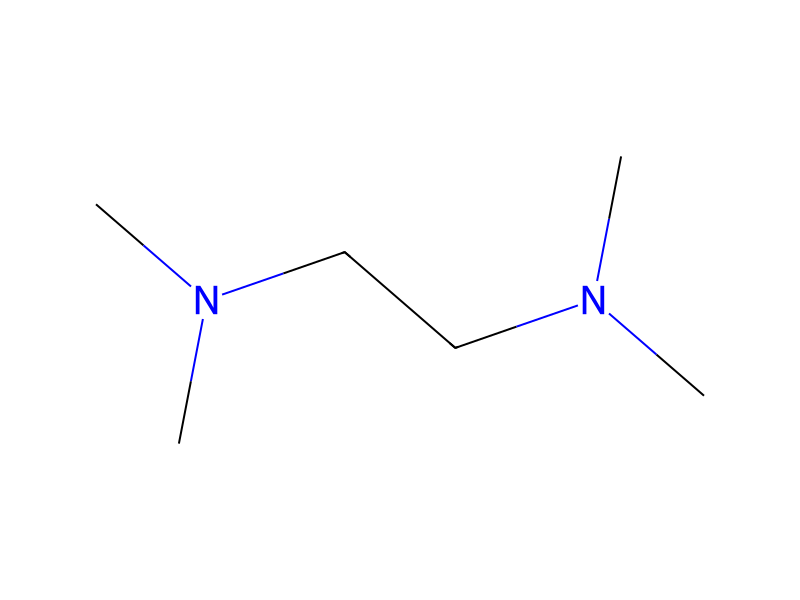
The 3-(Pivaloylamino)pyridine 15 (1.9 g, 11 mmol) and tetramethylethylene-diamine (4.0 mL, 26 mmol) were dissolved in dry THF (60 mL) and cooled to −78° C. While maintaining the temperature between −78° C. and −65° C., nBuLi (2.5 M solution in hexanes, 10.6 mL, 26.5 mmol) was added dropwise. The reaction was allowed to warm to −10° C. for 2 h, and then cooled back down to −78° C. Iodine (6.73 g, 26.5 mmol) dissolved in dry THF (20 mL) was added slowly. After stirring for 2 h at −78° C., the reaction was quenched with ice. Excess iodine was destroyed with addition of saturated potassium thiosulfate solution. The product was extracted with CH2Cl2, and the organic layers were washed with brine. The mixture was concentrated in vacuo to a black oil which was chromatographed (1:1 EtOAc/Hexanes; 2:1 EtOAc/Hexanes) to give 700 mg (23%) of 2,2-dimethyl-N-(4-iodo-3-pyridinyl)propanamide as a yellow solid. 1H NMR (DMSO-d6 300 MHz) δ 9.24 (s, 1 H), 8.35 (s, 1 H), 8.04 (d, 1 H), 7.95 (d, 1 H), 1.26 (s, 9 H). MS (ES+)=305.