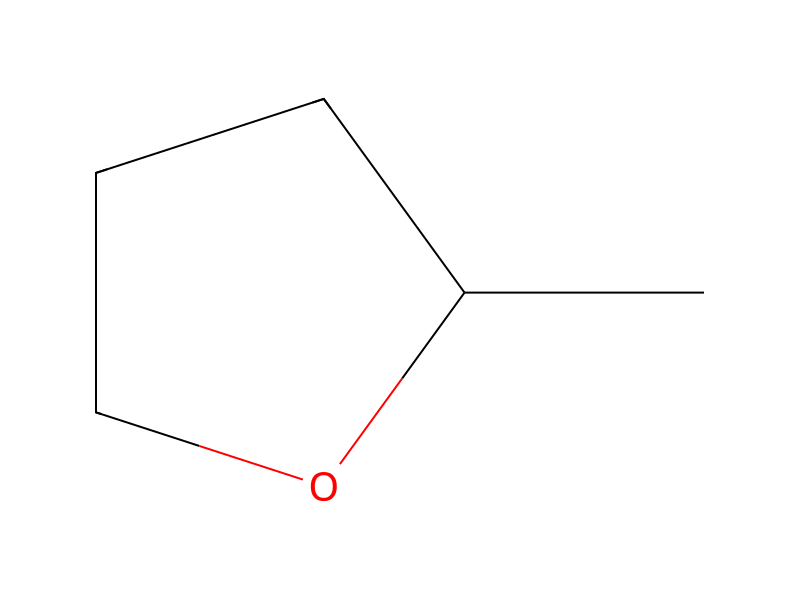
Br[C:2]1[CH:7]=[CH:6][CH:5]=[C:4]([Cl:8])[N:3]=1.[Li]CCCC.[CH3:14][C:15]1[C:19]([C:20]2[CH:21]=[C:22]([C:32]([C:34]3[CH:39]=[CH:38][CH:37]=[CH:36][N:35]=3)=[O:33])[C:23]3[N:27]=[C:26]([O:28][CH2:29][CH3:30])[NH:25][C:24]=3[CH:31]=2)=[C:18]([CH3:40])[O:17][N:16]=1>CC1OCCC1>[Cl:8][C:4]1[N:3]=[C:2]([C:32]([C:22]2[C:23]3[N:27]=[C:26]([O:28][CH2:29][CH3:30])[NH:25][C:24]=3[CH:31]=[C:20]([C:19]3[C:15]([CH3:14])=[N:16][O:17][C:18]=3[CH3:40])[CH:21]=2)([C:34]2[CH:39]=[CH:38][CH:37]=[CH:36][N:35]=2)[OH:33])[CH:7]=[CH:6][CH:5]=1To a solution of 2-bromo-6-chloropyridine (83 mg, 0.43 mmol) in 2-MeTHF (1.5 mL) cooled to −78° C. was added n-BuLi (1.6 M, 0.27 mL, 0.43 mmol) dropwise and the reaction was allowed to stir for 40 mins. A solution of (6-(3,5-dimethylisoxazol-4-yl)-2-ethoxy-1H-benzo[d]imidazol-4-yl)(pyridin-2-yl)methanone (100 mg, 0.22 mmol) in 2-MeTHF (0.5 mL) was added to the reaction and the reaction was allowed to stir for an additional 10 mins at −78° C. and then quenched with water. The reaction mixture was extracted three times with EtOAc and combined organic layers were washed once with water, concentrated, and purified by silica gel chromatography to yield (6-chloropyridin-2-yl)(6-(3,5-dimethylisoxazol-4-yl)-2-ethoxy-1H-benzo[d]imidazol-4-yl)(pyridin-2-yl)methanol (51 mg, 41%) as a white solid. The solid (26.5 mg, 0.055 mmol) was taken up in EtOH (1 mL) and 4M HCl/dioxane (0.5 mL) and heated for two hours at 65° C. and then concentrated to afford the desired product as a pale yellow powder.