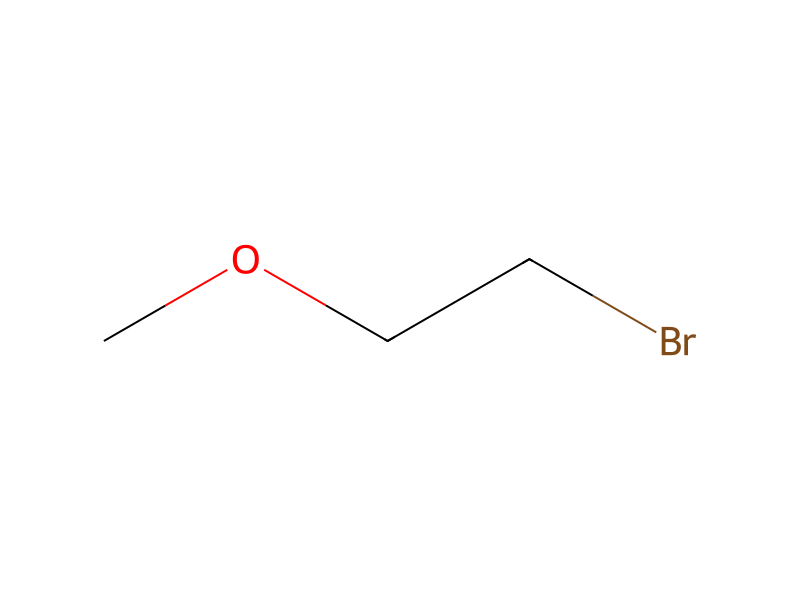
A solution of tert-butyl[1,3]dithiane-2-carboxylate (2 g, 9.08 mmol) in THF (16 mL) was cooled to −78° C., and a solution of n-butyllithium (1.58 M in Hexane, 8.62 mL, 13.6 mmol) was added. After stirring for 1 hour, 2-bromoethyl methyl ether (1.70 mL, 18.1 mmol) was added. After stirring at −78° C. for 15 minutes, the cooling bath was removed, and, while allowing the temperature to gradually return to room temperature, the solution was stirred at room temperature for 16 hours. After confirming the consumption of the starting materials by LCMS, a saturated aqueous solution of ammonium chloride was added, and the mixture was extracted with ethyl acetate. The organic layer was sequentially washed with water and a saturated brine, and subsequently dried over anhydrous sodium sulfate. The organic layer was filtered, and the solvent was distilled off. The resulting residue was purified with SP1 (SiO2 cartridge) to obtain tert-butyl 2-(2-methoxy-ethyl)-[1,3]dithiane-2-carboxylate (1.75 g, 69% yield).