StartseiteMCPWorkbenchSkills
StartseiteWorkbenchBenachrichtigungenMein Bereich
llms.txt · MCP-AnleitungDatenschutz · Nutzungsbedingungen · Supportv1.8.0
  1. Startseite
  2. /Reaktion

Hydrochloric Acid → AHPBA 38a

HRID 1780242
Notizen
Druckvorschau

Reaktionsgleichung

Reaktionsgleichung von HRID 1780242
Cl.C(OC(N[C@H](C(N[C@@H](CC1C=CC=CC=1)[C@H](O)C(N1C[C@@H](Cl)C[C@H]1C(NC(C)(C)C)=O)=O)=O)CC(=O)N)=O)C1C=CC=CC=1.Cl.[NH2:47][C@H:48]([C:53]([NH:55][C@@H:56]([CH2:74][C:75]1[CH:80]=[CH:79][CH:78]=[CH:77][CH:76]=1)[C@H:57]([OH:73])[C:58]([N:60]1[CH2:71][C@@H:70]([Cl:72])[CH2:69][C@H:61]1[C:62]([NH:64][C:65]([CH3:68])([CH3:67])[CH3:66])=[O:63])=[O:59])=[O:54])[CH2:49][C:50](=[O:52])[NH2:51].[N:81]1[C:90]2[C:85](=[CH:86][CH:87]=[CH:88][CH:89]=2)[N:84]=[CH:83][C:82]=1[C:91](O)=[O:92].P(C#N)(OCC)(OCC)=O.C(N(CC)CC)C>CO.CN(C)C=O>[N:81]1[C:90]2[C:85](=[CH:86][CH:87]=[CH:88][CH:89]=2)[N:84]=[CH:83][C:82]=1[C:91]([NH:47][C@H:48]([C:53]([NH:55][C@@H:56]([CH2:74][C:75]1[CH:76]=[CH:77][CH:78]=[CH:79][CH:80]=1)[C@H:57]([OH:73])[C:58]([N:60]1[CH2:71][C@@H:70]([Cl:72])[CH2:69][C@H:61]1[C:62]([NH:64][C:65]([CH3:68])([CH3:67])[CH3:66])=[O:63])=[O:59])=[O:54])[CH2:49][C:50](=[O:52])[NH2:51])=[O:92]
KomponentenVersuchsvorschriftAufarbeitungQuellen und NachweiseNotizen zur Reaktion

Komponenten

9

Edukt 6

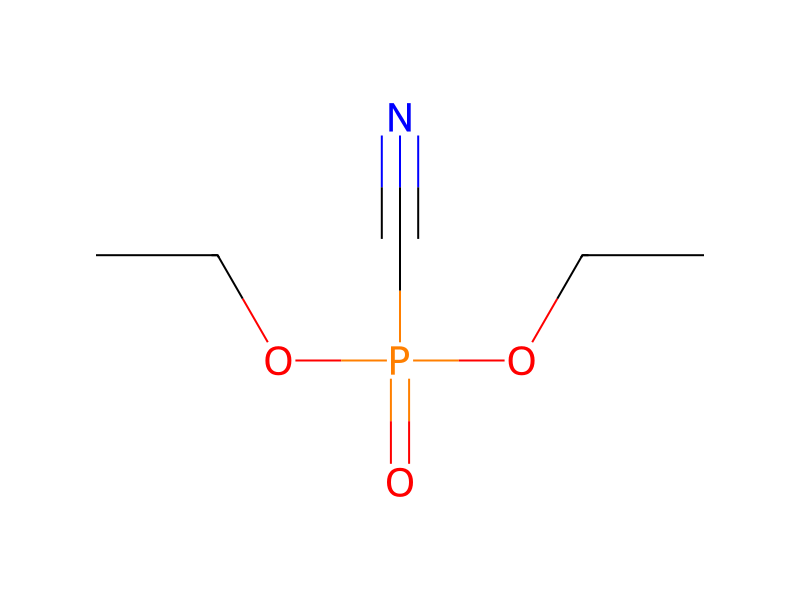
HCID 313Hydrochloric AcidHCID 8471TriethylamineHCID 76257Diethyl cyanophosphonateHCID 96695Quinoxaline-2-carboxylic acidHCID 473123(2S)-N-((1S,2S)-3-{(2S,4S)-2-[N-(tert-butyl)carbamoyl]-4-chloropyrrolidinyl}-2-hydroxy-3-oxo-1-benzylpropyl)-3-carbamoyl-2-[(phenylmethoxy)carbonylamino]propanamide
HCID 67722833
(4S)-1-[(2S,3S)-3--asparaginylamino-2-hydroxy-4-phenylbutyryl]-N-t-butyl-4-chloroprolinamide hydrochloride

Produkt 1

HCID 473135AHPBA 38a

Reagenzien, Katalysatoren, Lösungsmittel 2

HCID 887MethanolLösungsmittelHCID 6228DimethylformamideLösungsmittel

Versuchsvorschrift

0.6 ml of 1N aqueous hydrochloric acid was added to a solution of 300 mg (0.48 mmol) of (4S)-1-[(2S,3S)-3-(N2 -benzyloxycarbonyl-L-asparaginyl)amino-2-hydroxy-4-phenylbutyryl]-N-t-butyl-4-chloro-L-prolinamide (prepared as described in Example 1) in methanol, and a stream of hydrogen was bubbled through the mixture at atmospheric pressure for 3 hours in the presence of 60 mg of 10% w/w palladium-on-charcoal, to remove the benzyloxycarbonyl group. The whole of the resulting (4S)-1-[(2S,3S)-3--asparaginylamino-2-hydroxy-4-phenylbutyryl]-N-t-butyl-4-chloroprolinamide hydrochloride and 99 mg (0.57 mmol) of 2-quinoxalinecarboxylic acid were dissolved in 5 ml of dimethylformamide, and 93 mg (0.57 mmol) of diethyl cyanophosphate and 144 mg (1.44 mmol) of triethylamine under ice-cooling were added to this solution. The resulting mixture was stirred for 3 hours, after which it was concentrated by evaporation under reduced pressure. The residue was mixed with a 10% w/v aqueous solution of sodium hydrogencarbonate and then extracted with ethyl acetate. The organic extract was washed with a saturated aqueous solution of sodium chloride and then dried over anhydrous sodium sulfate. The solvent was removed by distillation under reduced pressure, and the resulting residue was purified by preparative thin layer chromatography, using a 10:1 by volume mixture of methylene chloride and methanol as the developing solvent, to give 140 mg of the title compound as a colorless powder, melting at 132°-134° C.

Aufarbeitung

  1. customa stream of hydrogen was bubbled through the mixture at atmospheric pressure for 3 hours in the presence of 60 mg of 10% w/w palladium-on-charcoal
  2. customto remove the benzyloxycarbonyl group
  3. additionwere added to this solution
  4. concentrationafter which it was concentrated by evaporation under reduced pressure
  5. additionThe residue was mixed with a 10% w/v aqueous solution of sodium hydrogencarbonate
  6. extractionextracted with ethyl acetate
  7. extractionThe organic extract
  8. washwas washed with a saturated aqueous solution of sodium chloride
  9. dry with materialdried over anhydrous sodium sulfate
  10. customThe solvent was removed by distillation under reduced pressure
  11. customthe resulting residue was purified by preparative thin layer chromatography
  12. additionby volume mixture of methylene chloride and methanol as the developing solvent

Quellen und Nachweise

ORD-Eintrag
ord-77ff33a2152b46c6aa39344f0b0c9602
Quelldatensatz
uspto-grants-1997_05
DOI
10.6084/m9.figshare.5104873.v1
Patentnummer
US05629406

Notizen zur Reaktion

Wird geladen…

Auf dieser SeiteKomponentenVersuchsvorschriftAufarbeitungQuellen und NachweiseNotizen zur Reaktion