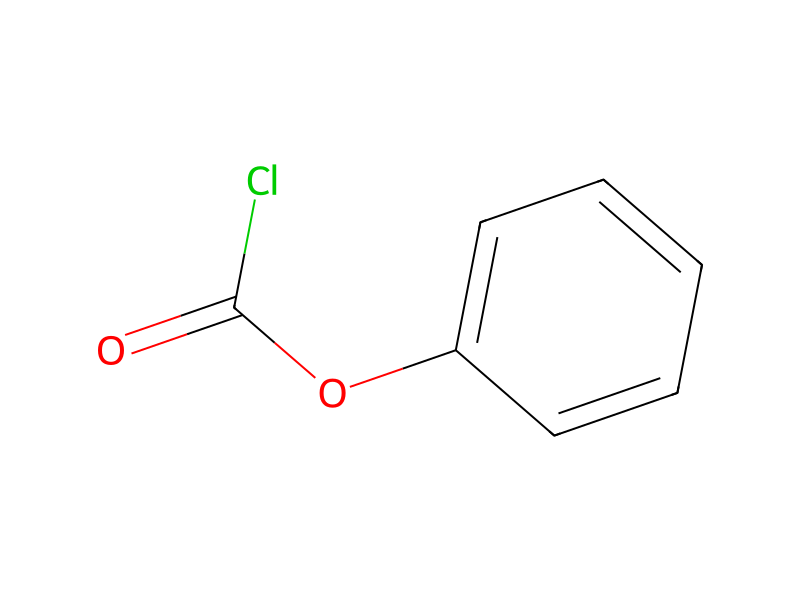
[C:1]1([S:7][C:8]2[CH:9]=[C:10]3[C:14](=[CH:15][CH:16]=2)[NH:13][C:12]([NH2:17])=[C:11]3[C:18]#[N:19])[CH:6]=[CH:5][CH:4]=[CH:3][CH:2]=1.N1C=CC=CC=1.Cl[C:27]([O:29][C:30]1[CH:35]=[CH:34][CH:33]=[CH:32][CH:31]=1)=[O:28]>C1COCC1>[O:29]([C:27]([NH:17][C:12]1[NH:13][C:14]2[C:10]([C:11]=1[C:18]#[N:19])=[CH:9][C:8]([S:7][C:1]1[CH:2]=[CH:3][CH:4]=[CH:5][CH:6]=1)=[CH:16][CH:15]=2)=[O:28])[C:30]1[CH:35]=[CH:34][CH:33]=[CH:32][CH:31]=1A solution of 5-phenylsulphanyl-2-amino-1H-indole-3-carbonitrile (0.43 g; 1.62 mmol) [Amphethinile, U.S. Pat. No. 4,533,672] in THF (5 ml) and pyridine (0.17 ml; 2.1 mmol) under argon was cooled to 0° C. and treated dropwise with phenyl chloroformate (0.25 ml; 2.0 mmol). The mixture was allowed to warm to room temperature overnight. After dilution with CH2Cl2 the organic phase was washed with water, then brine and dried over MgSO4. The residue was purified by flash chromatography eluting with increasingly polar mixtures of Et2O/CH2Cl2 (5 to 10% Et2O) to give 2-phenoxycarbonylamino-5-phenylsulphanyl-1H-indole-3-carbonitrile as a beige solid (310 mg).