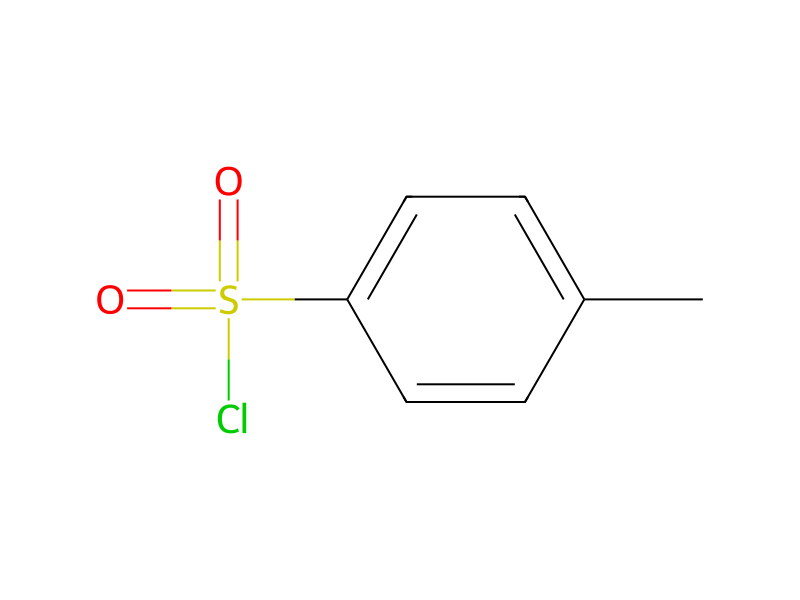
[C:1]1([CH:7]([C:21]2[CH:26]=[CH:25][CH:24]=[CH:23][CH:22]=2)[CH2:8][N:9]([CH3:20])[C:10](=[O:19])[CH:11](O)[C:12]2[CH:17]=[CH:16][CH:15]=[CH:14][CH:13]=2)[CH:6]=[CH:5][CH:4]=[CH:3][CH:2]=1.[H-].[Na+].C1(C)C=CC(S(Cl)(=O)=O)=CC=1.[NH2:40][CH2:41][CH2:42][C:43]1[N:47]=[CH:46][NH:45][CH:44]=1>O1CCCC1.CO>[C:1]1([CH:7]([C:21]2[CH:26]=[CH:25][CH:24]=[CH:23][CH:22]=2)[CH2:8][N:9]([CH3:20])[C:10](=[O:19])[CH:11]([NH:40][CH2:41][CH2:42][C:43]2[N:47]=[CH:46][NH:45][CH:44]=2)[C:12]2[CH:17]=[CH:16][CH:15]=[CH:14][CH:13]=2)[CH:6]=[CH:5][CH:4]=[CH:3][CH:2]=1To stirred solution of the product of step 1 (1.50 g, 4.34 mmol) in tetrahydrofuran (15 mL) was added a 60% dispersion of sodium hydride in mineral oil (0.210 g, 5.25 mmol). After gas evolution ceased, p-toluenesulfonyl chloride (0.990 g, 5.20 mmol) was added and the mixture was stirred for 2 hours. At this time, histamine (1.93 g, 17.4 mmol) was added followed by methanol (10 mL). The reaction was stirred overnight and concentrated. The residue was partitioned between ethyl acetate and aqueous sodium carbonate solution. The organic layer was dried (sodium sulfate) and concentrated to afford a pasty white solid. Flash chromatography over silica (methylene chloride/methanolic ammonia solution) provided 1.08 g (57%) of product as a colorless tacky foam: 1H NMR (CDCl3) δ 7.52–7.43 (m, 1H), 7.40–7.00 (m, 15H), 6.78–6.69 (m, 1H), 4.36–3.97 (m, 4H), 2.92–2.20 (m, 7H) ppm.