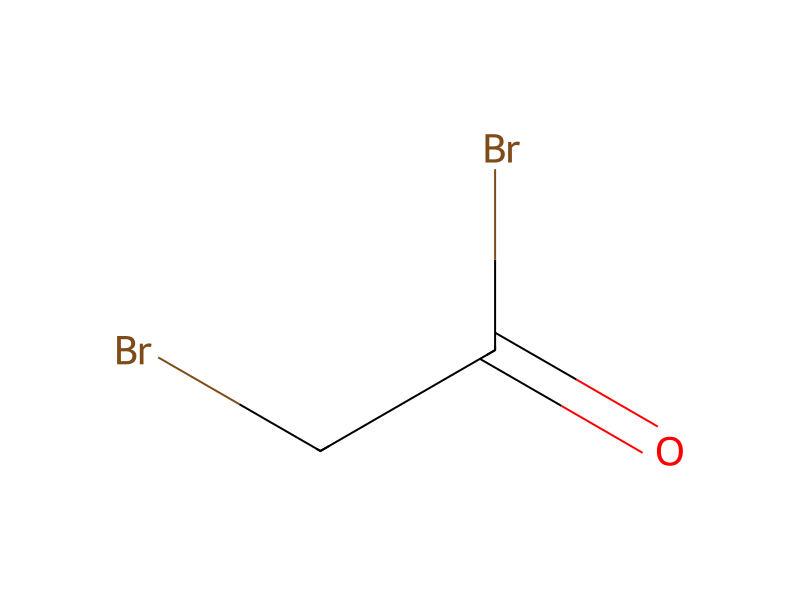
[CH2:1]1[C:10]2[C:5](=[CH:6][CH:7]=[CH:8][CH:9]=2)[CH2:4][CH2:3][N:2]1[C:11](=[O:18])[CH2:12][NH:13][CH2:14][CH:15]([CH3:17])[CH3:16].[Br:19][CH2:20][C:21](Br)=[O:22]>C1COCC1>[Br:19][CH2:20][C:21]([N:13]([CH2:12][C:11]([N:2]1[CH2:3][CH2:4][C:5]2[C:10](=[CH:9][CH:8]=[CH:7][CH:6]=2)[CH2:1]1)=[O:18])[CH2:14][CH:15]([CH3:16])[CH3:17])=[O:22]To a stirred solution of 1-(3,4-dihydro-1H-isoquinolin-2-yl)-2-isobutylamino-ethanone (0.45 g, 1.8 mmol) in THF (4.0 mL), a solution of bromoacetyl bromide (0.32 mL, 3.6 mmol) in 4.0 mL THF was added dropwise at −78° C., under argon. After 3 h (the temperature gradually rose to 10° C.) the reaction was concentrated and the remaining residue was diluted with methylene chloride and saturated NaHCO3. The layers were separated and the organic phase was washed with brine and then dried (MgSO4). Filtration and concentration gave the crude product which was purified via silica gel flash chromatography (0-5% MeOH/methylene chloride, 30 mL/min.) to give 0.34 g (51%) of 2-bromo-N-[2-(3,4-dihydro-1H-isoquinolin-2-yl)-2-oxo-ethyl]-N-isobutyl-acetamide.