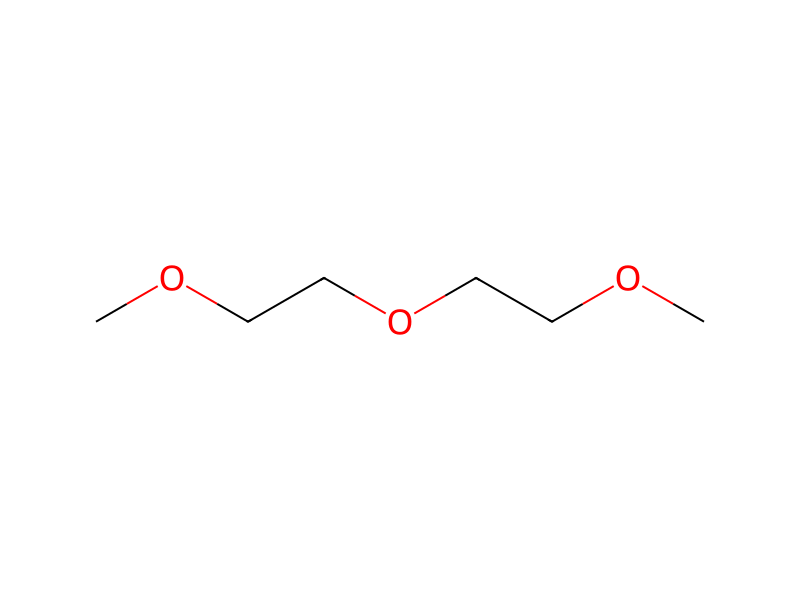
Dry diglyme (10 mL) was added to a flask equipped with a dropping funnel under a nitrogen atmosphere and brought to a vigorous reflux N-(2-fluorophenyl)benzene-1,2-diamine (1.2 g, 6.0 mmol) and sulfamide (0.69 g, 7.2 mmol) were dissolved in 5 mL of diglyme and placed in the dropping funnel. The mixture was added dropwise to the flask over 15 minutes and then refluxing was continued for an additional 15 minutes. The mixture was cooled to ambient temperature and diluted with ether, washed with water, 2N HCl, water, brine, dried over anhydrous magnesium sulfate, and concentrated. The crude product was purified via Isco chromatography (Redisep, silica, gradient 5-50% (ethyl acetate containing 2% formic acid) in hexane) to afford 1-(2-fluorophenyl)-1,3-dihydro-2,1,3-benzothiadiazole 2,2-dioxide (0.37 g).