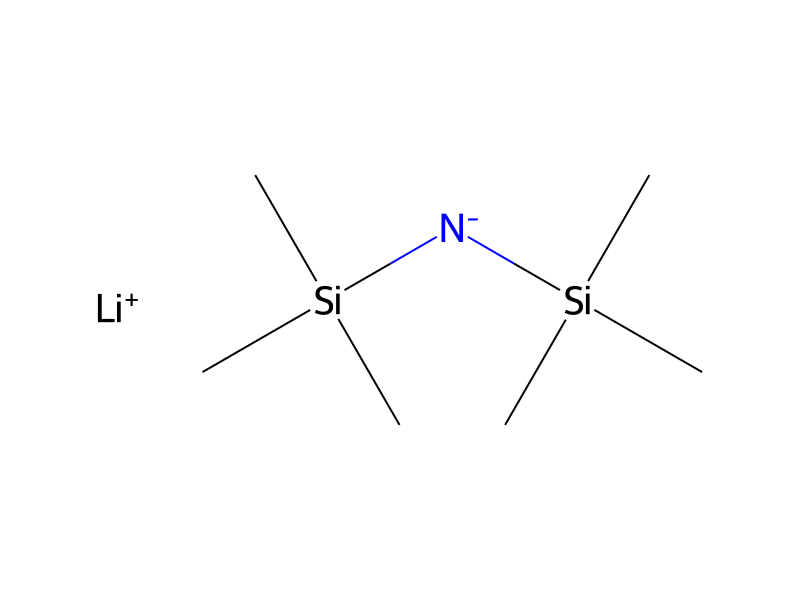
[Cl:1][C:2]1[CH:3]=[C:4]2[C:8](=[CH:9][CH:10]=1)[NH:7][C:6](=[O:11])[CH2:5]2.[Li+].C[Si]([N-][Si](C)(C)C)(C)C.[CH2:22]([N:29]([CH2:40][C:41]1[CH:46]=[CH:45][CH:44]=[CH:43][CH:42]=1)[C:30]1[CH:31]=[C:32]2[C:36](=[CH:37][CH:38]=1)[C:35](=O)[O:34][CH2:33]2)[C:23]1[CH:28]=[CH:27][CH:26]=[CH:25][CH:24]=1>C(COC)OC.C1COCC1>[Cl:1][C:2]1[CH:3]=[C:4]2[C:8](=[CH:9][CH:10]=1)[NH:7][C:6](=[O:11])[C:5]2=[C:35]1[C:36]2[C:32](=[CH:31][C:30]([N:29]([CH2:22][C:23]3[CH:24]=[CH:25][CH:26]=[CH:27][CH:28]=3)[CH2:40][C:41]3[CH:46]=[CH:45][CH:44]=[CH:43][CH:42]=3)=[CH:38][CH:37]=2)[CH2:33][O:34]1To a solution of 5-chlorooxindole (63 mg, 0.371 mmol) in dimethoxyethane (2.0 ml) at room temperature was added 1.0M LiHMDS in THF (742 μl). After the mixture was stirred for 10 minutes at room temperature, 5-dibenzylamino-3H-isobenzofuran-1-one (110 mg, 0.334 mmol) was added, and the reaction was rapidly stirred at room temperature for 1.5 hours. The mixture was quenched into 4% HCl (20 ml), and then stirred with EtOAc. The mixture was basified with saturated NaHCO3 aqueous solution. The organic layer was diluted with MeOH, followed by addition of HCl in MeOH to give a yellow precipitant. The yellow precipitant was separated, and rinsed with MeOH and 20% EtOAc/hexane to yield 5-chloro-3-(5-dibenzylamino-3H-isobenzofuran-1-ylidene)-1,3-dihydro-indol-2-one as a yellow solid (36 mg, 23%).
Wird geladen…