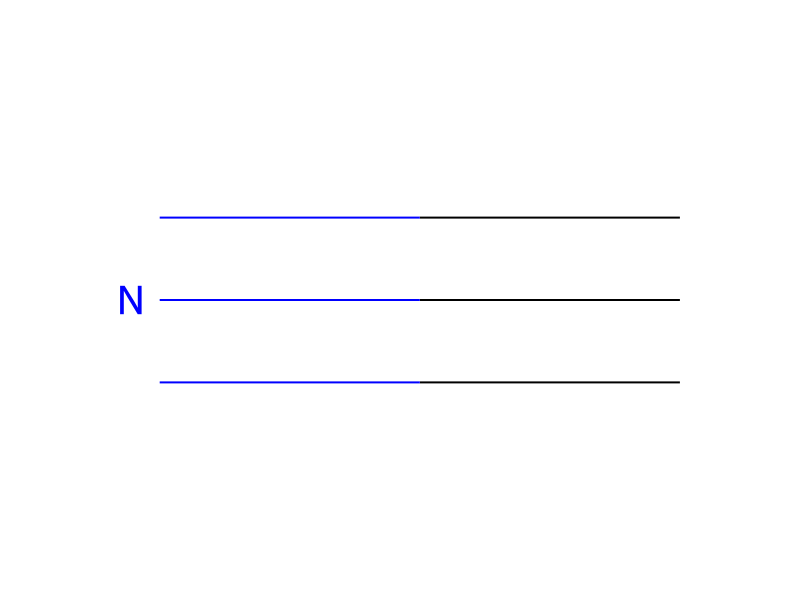
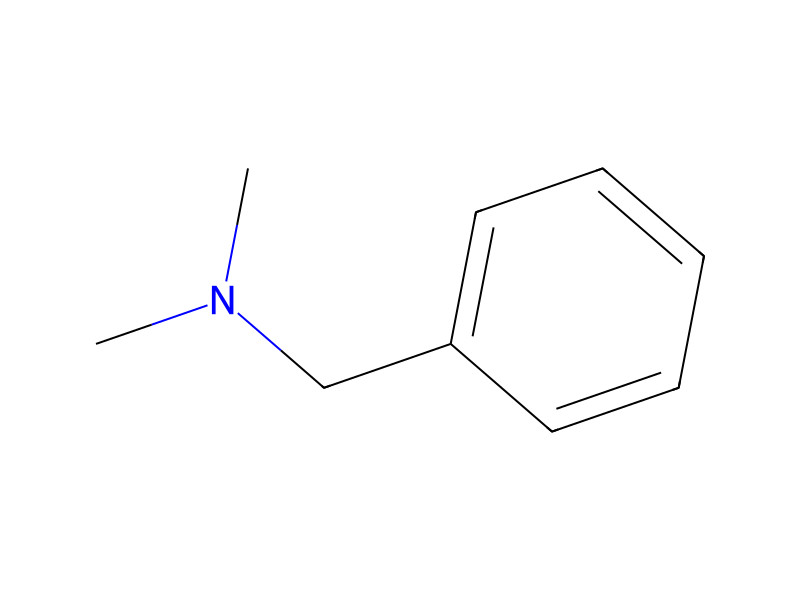
A solution of 135 g (1 mole) of dimethylbenzylamine in 100 ml of benzene was added dropwise, at -2° C, while cooling, in the course of 30 minutes to a mixture of 184 g (1 mole) of para-ethoxybenzoyl chloride and 54 g (2 moles) of anhydrous hydrocyanic acid in 300 ml of benzene at such a rate that the internal temperature did not rise above -20° C during the addition. When the addition was complete, the mixture was stirred for a further 10 minutes at -20° C and the excess hydrocyanic acid was then distilled, under a waterpump vacuum, into a cooled receiver. Dimethylbenzylamine hydrochloride, which was obtained in a crystalline form, was filtered off from the residual reaction mixture. The filtrate was subjected to fractional vacuum distillation. In this way 152 g (87% of theory) of para-ethoxybenzoyl cyanide with a melting point of 43° C were obtained.