1beta,2beta-Methylene-5-androstene-3beta,17beta-diol → 1beta,2beta-Methylene-4-androstene-3,17-dione
Reaktionsgleichung

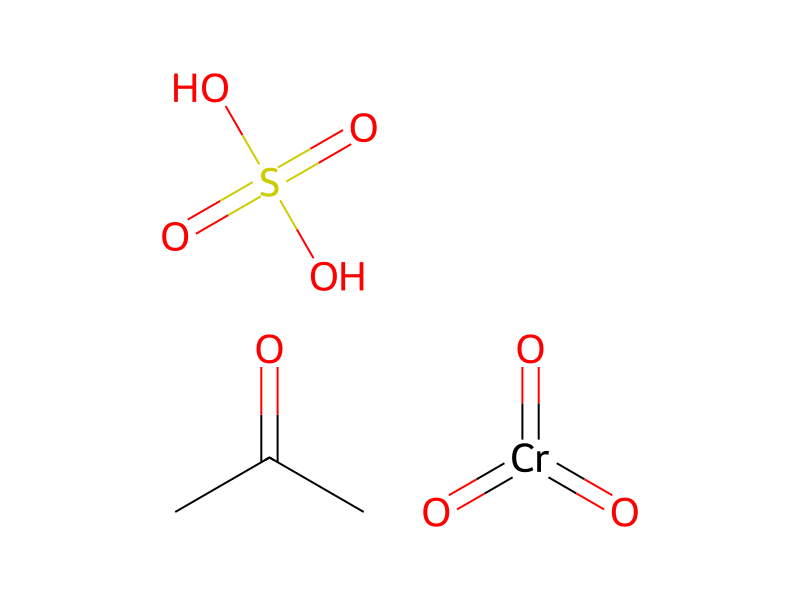
[CH2:1]1[C@@H:3]2[C@H:4]([OH:22])[CH2:5][C:6]3[C@:19]([CH3:20])([C@H:2]12)[C@@H:18]1[C@H:9]([C@H:10]2[C@@:14]([CH2:16][CH2:17]1)([CH3:15])[C@@H:13]([OH:21])[CH2:12][CH2:11]2)[CH2:8][CH:7]=3.CC(C)=O.OS(O)(=O)=O.O=[Cr](=O)=O>CC(C)=O.C[O-].[Na+].CO>[CH2:1]1[C@@H:3]2[C:4](=[O:22])[CH:5]=[C:6]3[C@:19]([CH3:20])([C@H:2]12)[C@@H:18]1[C@H:9]([C@H:10]2[C@@:14]([CH2:16][CH2:17]1)([CH3:15])[C:13](=[O:21])[CH2:12][CH2:11]2)[CH2:8][CH2:7]3Komponenten
6