HRID 246als Reagenz
Sodium Methoxide

124-41-4C[O-].[Na+]WQDUMFSSJAZKTM-UHFFFAOYSA-NSodium methylate is a white amorphous powder. It reacts with water to form sodium hydroxide, a corrosive material, and methyl alcohol, a flammable liquid. The heat from this reaction may be sufficient to ignite surrounding combustible material or the sodium methylate itself if the water is present in only small amounts. It is used to process edible fats and oils, and to make other chemicals.
124-41-4DTXSID8027030Metals -> Metal Alkoxides
Flammable agents - 4th degree
greater than 1 at 68 °F (USCG, 1999)
Dec by water. Apparent density of solvent-free material is approximately 4.6 lb/gal
Density: 0.45 g/mL at 20 °C, apparent density (packing weight) 0.60 g/mL
1.3 g/cm³
Amorphous, free flowing powder
Tetragonal crystals
Soluble in ethanol, methanol
Soluble in fats, esters
Insoluble in hydrocarbons and most common organic solvents
Solubility in water: reaction
Decomposes in air above 126 °C.
When heated to decomposition it emits toxic fumes of /sodium oxide/.
Decomposed in air above 260 °F
Energy of decomp (in range 410 to 460 °C) measured as 0.77 kJ/g.
Melting point (decomposes) = 127 °C
Melting point: decomp. Soluble in cold water. Soluble in methanol. /Solvated form/
No melting point; decomposes at >50 °C
Sodium methylate is a white amorphous powder. It reacts with water to form sodium hydroxide, a corrosive material, and methyl alcohol, a flammable liquid. The heat from this reaction may be sufficient to ignite surrounding combustible material or the sodium methylate itself if the water is present in only small amounts. It is used to process edible fats and oils, and to make other chemicals.
CBI; Dry Powder; Liquid; Liquid; Other Solid
White hygroscopic solid; [ICSC] White to yellowish solid; Commercial products are powders or solutions in methanol; [Reference #2] White powder; [Aldrich MSDS]
WHITE HYGROSCOPIC POWDER.
Sensitive to air and moisture
Decomposed by water
240 °C
>50 °C
Decomposes in air above 127 °C
Reacts violently with water forming flammable methanol and corrosive sodium hydroxide
White powder /Solvated form/
Sicherheitsangaben dienen nur zur Orientierung und ersetzen weder das Sicherheitsdatenblatt (SDB) des Lieferanten noch geltende Vorschriften oder eine fachliche Bewertung.
Danger
H251: Self-heating; may catch fire [Danger Self-heating substances and mixtures]
P235, P260, P264, P280, P301+P330+P331, P302+P361+P354, P304+P340, P305+P354+P338, P316, P321, P363, P405, P407, P410, P413, P420, and P501 (click each P-code to see the statement)
This chemical does not meet GHS hazard criteria for 0.3% (2 of 630) of reports.
Danger
H228 (41.9%): Flammable solid [Danger Flammable solids]
Chemical: Methanol, sodium salt
Methanol, sodium salt (1:1) is listed on the EPA's Chemical Data Reporting (CDR) system. Manufacturers and importers of Methanol, sodium salt (1:1) are required to report information about their production and use of this chemical to the EPA under the Toxic Substances Control Act (TSCA). (40 eCFR Part 711)
REACH registered substance: Sodium methanolate (EC: 204-699-5)
Methanol, sodium salt: HSNO Approval: HSR001298 Approved with controls
The New Jersey Worker and Community Right to Know Act requires public and private employers to provide information about hazardous substances at their workplaces. (N.J.S.A. 34:5A-1 et. seq.)
Behavior in Fire: Contact with water or foam applied to adjacent fires will produce flammable methanol. (USCG, 1999)
· Produce flammable gases on contact with water.
· Flammable/combustible material.
Highly flammable. Many reactions may cause fire or explosion. Risk of fire and explosion on contact with water, moist air or metals.
... (Solid) flammable when exposed to heat or flame. (solution) flammable, moderate fire risk.
/Sodium methoxide/ may ignite in moist air ...
Inhalation of dust causes severe irritation of nose and throat. Contact with eyes or skin causes severe irritation and burns. Ingestion causes irritation of mouth and stomach. (USCG, 1999)
· Inhalation or contact with vapors, substance or decomposition products may cause severe injury or death.
· May cause toxic effects if inhaled or ingested.
Highly toxic; [Quick CPC] Corrosive to skin; High inhalation exposure of dust may cause pulmonary edema; [ICSC] A strong base that reacts with water to form sodium hydroxide and methyl alcohol, a reaction that may generate enough heat to ignite combustible materials; [CAMEO] Rapidly and exothermically reacts with tissue water forming sodium hydroxide (responsible for corrosivity) and methanol; Oral LD50s (rat) range from 800-1,687 mg/kg with water or water soluble solvents as the vehicle, and is 2,037 mg/kg using corn oil; No toxicity observed in 8-hr inhalation study of rats in a dust enriched atmosphere; Not likely to cause skin sensitization or be carcinogenic; [Reference #2] See Methyl alcohol. See Sodium hydroxide.;
1431 138
1289 132
European Chemicals Bureau; IUCLID Dataset, Sodium methanolate (124-41-4) (2000 CD-ROM edition). Information on usage pattern, toxicology, and environmental effects supplied by industry to the European Union. Available from the database query page: http://ecb.jrc.it/esis/esis.php as of November 6, 2006.
Excerpt from ERG Guide 138 [Substances - Water-Reactive (Emitting Flammable Gases)]:
NO water. NO hydrous agents. Use dry powder, dry sand. In case of fire: keep drums, etc., cool by spraying with water. NO direct contact with water.
Fresh air, rest. Half-upright position. Artificial respiration may be needed. Refer immediately for medical attention.
First rinse with plenty of water for at least 15 minutes, then remove contaminated clothes and rinse again. Refer immediately for medical attention.
Rinse with plenty of water (remove contact lenses if easily possible). Refer immediately for medical attention.
Rinse mouth. Do NOT induce vomiting. Refer immediately for medical attention.
· CALL 911. Then call emergency response telephone number on shipping paper. If shipping paper not available or no answer, refer to appropriate telephone number listed on the inside back cover.
· ELIMINATE all ignition sources (no smoking, flares, sparks or flames) from immediate area.
· CALL 911. Then call emergency response telephone number on shipping paper. If shipping paper not available or no answer, refer to appropriate telephone number listed on the inside back cover.
· ELIMINATE all ignition sources (no smoking, flares, sparks or flames) from immediate area.
Get medical attention at once following all exposures to this compound.
General First Aid:
General First Aid:
· Wear positive pressure self-contained breathing apparatus (SCBA).
· Wear positive pressure self-contained breathing apparatus (SCBA).
Sore throat. Cough. Burning sensation. Shortness of breath. Laboured breathing.
Redness. Pain. Serious skin burns.
Redness. Pain. Blurred vision. Severe deep burns.
Burns in mouth and throat. Burning sensation in the throat and chest. Shock or collapse.
/SIGNS AND SYMPTOMS/ Solution contains /the hydrolysis product/ methyl alcohol, and is toxic and corrosive to tissue.
/SIGNS AND SYMPTOMS/ Ingestion causes irritation of mouth and stomach.
/SIGNS AND SYMPTOMS/ Corrosive. The substance is corrosive to the eyes, the skin and the respiratory tract. Inhalation of dusts may cause lung edema. The effects may be delayed.
/LABORATORY ANIMALS: Acute Exposure/ In a rabbit eye irritation test, a 30% solution in methanol was corrosive.
/LABORATORY ANIMALS: Acute Exposure/ A 30% solution in methanol was corrosive to rabbit skin.
/LABORATORY ANIMALS: Acute Exposure/ Corrosive in a rabbit skin irritation test. An 80% aqueous preparation was examined. Since sodium methoxide hydrolyzes rapidly in water to NaOH and methanol, the corrosive action was the result of the NaOH.
The symptoms of lung edema often do not become manifest until a few hours have passed and they are aggravated by physical effort. Rest and medical observation are therefore essential. Immediate administration of an appropriate inhalation therapy by a doctor or a person authorized by him/her, should be considered.
Persons in charge of vessels or facilities are required to notify the National Response Center (NRC) immediately, when there is a release of this designated hazardous substance, in an amount equal to or greater than its reportable quantity of 1000 lb or 454 kg. The toll free number of the NRC is (800) 424-8802. The rule for determining when notification is required is stated in 40 CFR 302.4 (section IV. D.3.b).
Sodium methoxide is designated as a hazardous substance under section 311(b)(2)(A) of the Federal Water Pollution Control Act and further regulated by the Clean Water Act Amendments of 1977 and 1978. These regulations apply to discharges of this substance. This designation includes any isomers and hydrates, as well as any solutions and mixtures containing this substance.
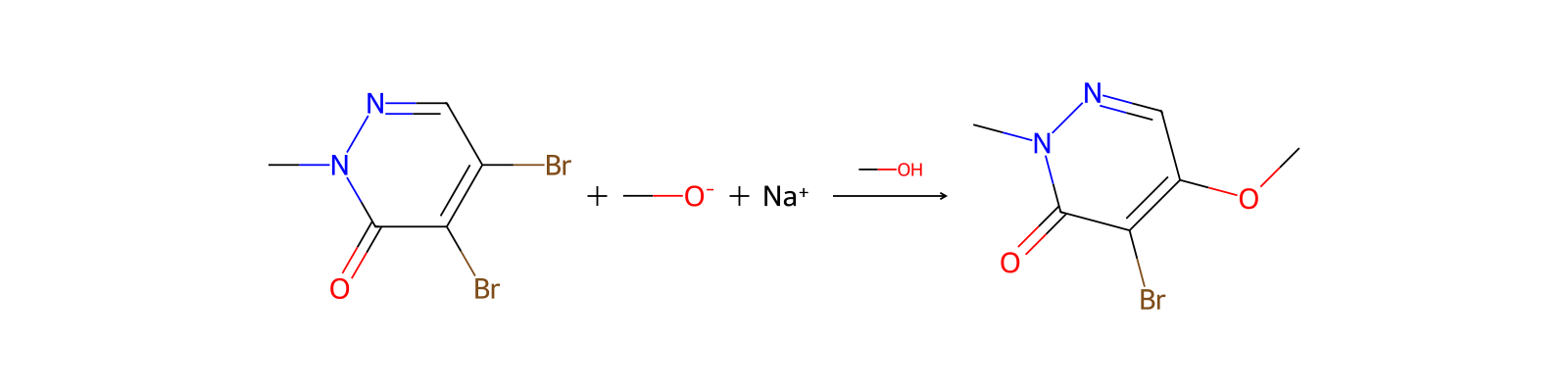
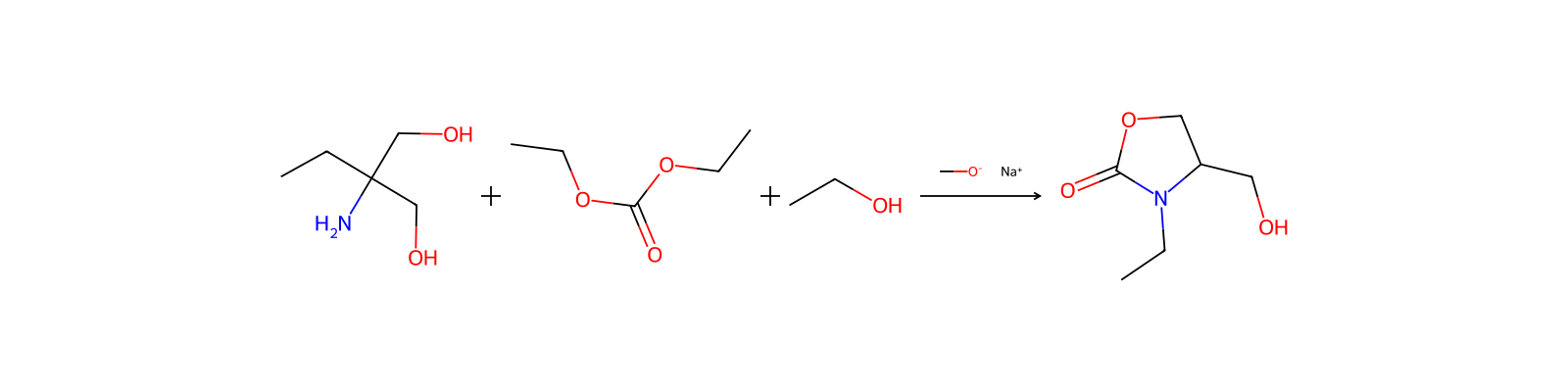
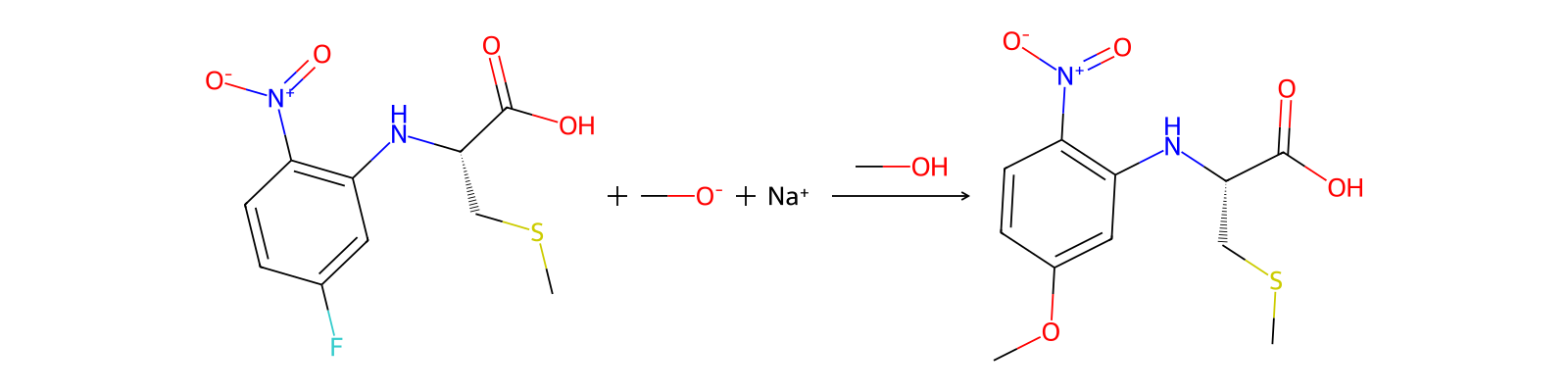
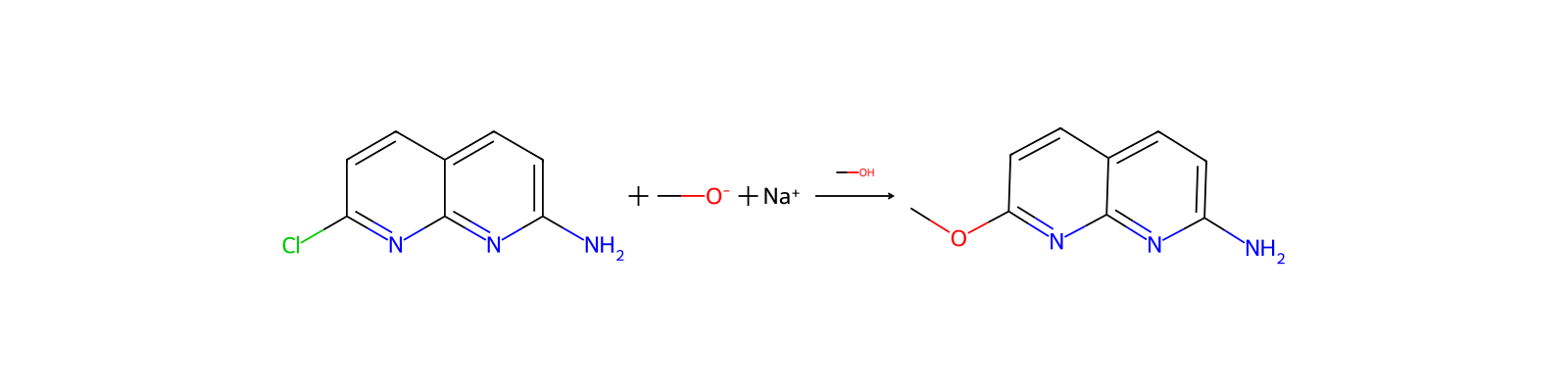
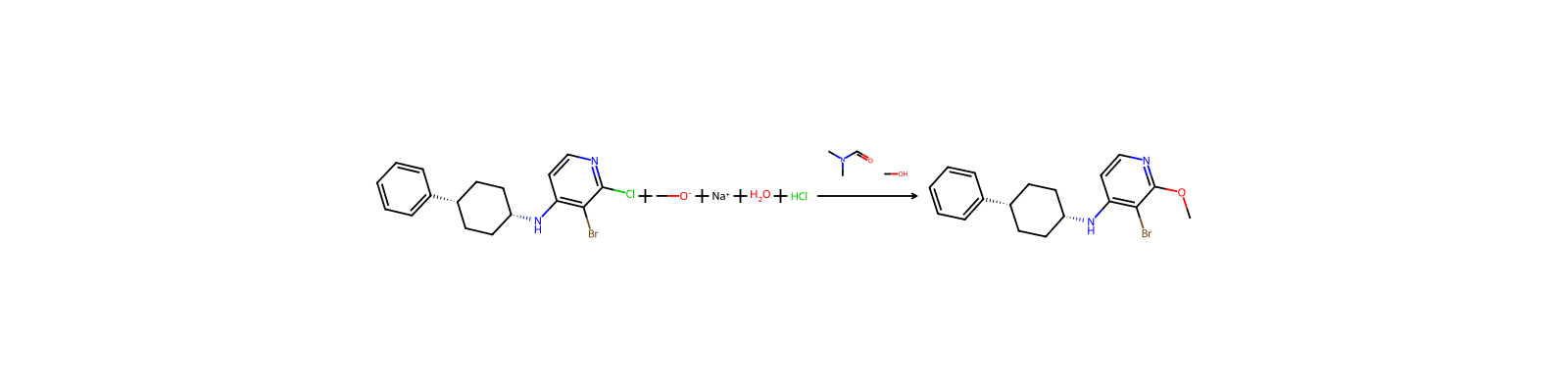
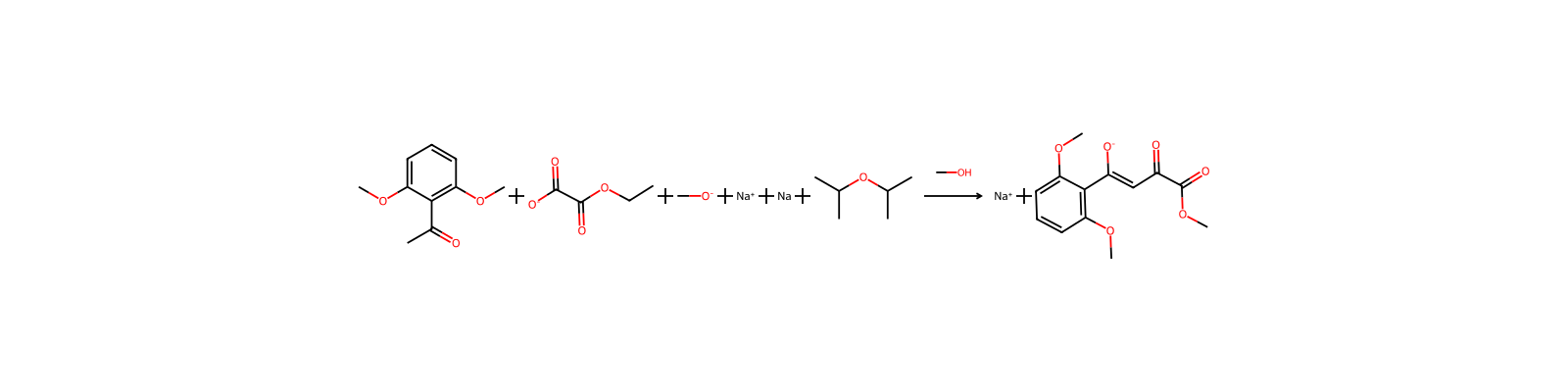
Used in organic synthesis, as alkaline catalyst (making biodiesel grade methyl esters and for treatment of edible fats and oils), in condensation reactions, as analytical reagent, and as intermediate for pharmaceuticals; [HSDB]
Alkaline catalyst used in the production of biodiesel grade methyl esters.
In organic synthesis
Condensation reactions, catalyst for treatment of edible fats and oils, especially lard, intermediate for pharmaceuticals, preparation of sodium cellulosate, analytical reagent.
2023: 55,000,000 - <70,000,000 lb
This chemical is listed as a High Production Volume (HPV) (65FR81686). Chemicals listed as HPV were produced in or imported into the U.S. in >1 million pounds in 1990 and/or 1994. The HPV list is based on the 1990 Inventory Update Rule. (IUR) (40 CFR part 710 subpart B; 51FR21438).
(1972) 2.35X10+9 GRAMS
(1975) 4.96X10+9 GRAMS
(1983) 4.57X10+9 g.
Production volumes for non-confidential chemicals reported under the Inventory Update Rule; Reported range for 1986, 1990, 1994, 1998 and 2002 >10-50 million lb. [Table#2082]
97.5% sodium methylate; 30% solution in methanol.
Technical; and 98% purity grade.
Plastics Material and Resin Manufacturing
Methanol, sodium salt (1:1): ACTIVE
VerwendenSodium methoxide is mainly used as a condensation agent, a strong alkaline catalyst and a methoxylating agent for the production of vitamin B1 and A, sulfadiazine and other drugs, and in small quantities for the production of pesticides. It is also used as a catalyst for treatment ofedible fats and oils, as an intermediate inmany synthetic reactions, to prepare sodiumcellulosate; and as a reagent in chemicalanalysis.
If material on fire or involved in fire: Do not extinguish fire unless flow can be stopped. Use "alcohol" foam, dry chemical or carbon dioxide. Cool all affected containers with flooding quantities of water. Apply water from as far a distance as possible. Do not use water on material itself. /Sodium methylate solutions/
If material on fire or involved in fire: Do not use water. Use dry chemical or carbon dioxide.
Spillage disposal: Evacuate danger area! Consult an expert! Do NOT wash away into sewer. Sweep spilled substance into clean and dry containers. Do NOT absorb in saw-dust or other combustible absorbents. Personal protection: chemical protection suit including self-contained breathing apparatus.
SRP: The most favorable course of action is to use an alternative chemical product with less inherent propensity for occupational exposure or environmental contamination. Recycle any unused portion of the material for its approved use or return it to the manufacturer or supplier. Ultimate disposal of the chemical must consider: the material's impact on air quality; potential migration in soil or water; effects on animal, aquatic, and plant life; and conformance with environmental and public health regulations.
Remove all ignition sources. Evacuate danger area! Consult an expert! Personal protection: complete protective clothing including self-contained breathing apparatus. Cover the spilled material with dry sand. Sweep spilled substance into covered dry plastic containers. Carefully collect remainder. Then store and dispose of according to local regulations. Do NOT wash away into sewer.
LD50 Rat dermal >2000 mg/kg bw
LD50 Rat oral 800 mg/kg bw
LD50 Mouse ip 40 mg/kg bw