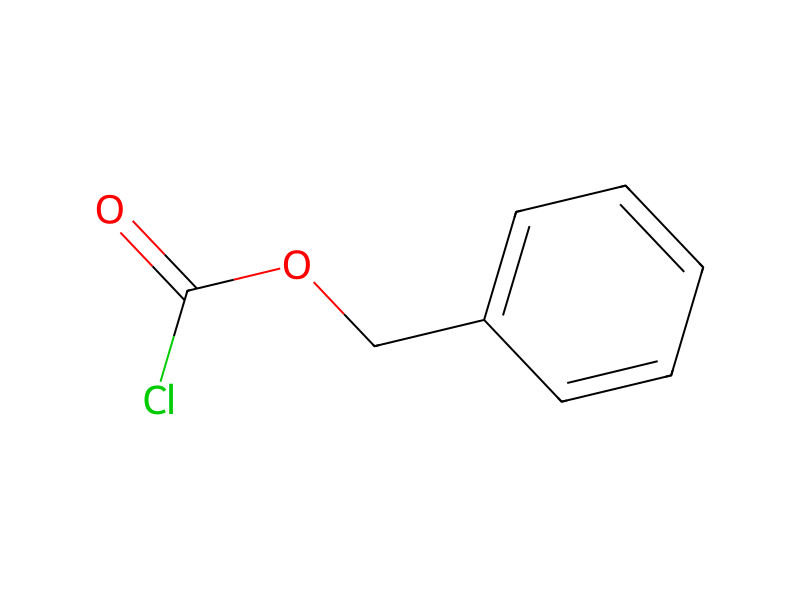
[CH2:1]([N:9]1[CH2:15][CH2:14][CH2:13][C@@H:12]2[CH2:16][CH2:17][NH:18][C@@H:11]2[CH2:10]1)[CH2:2][C:3]1[CH:8]=[CH:7][CH:6]=[CH:5][CH:4]=1.C(=O)([O-])[O-].[K+].[K+].[CH2:25]([O:32][C:33](Cl)=[O:34])[C:26]1[CH:31]=[CH:30][CH:29]=[CH:28][CH:27]=1>C(OCC)(=O)C.O>[CH2:25]([O:32][C:33]([N:18]1[C@@H:11]2[CH2:10][N:9]([CH2:1][CH2:2][C:3]3[CH:4]=[CH:5][CH:6]=[CH:7][CH:8]=3)[CH2:15][CH2:14][CH2:13][C@@H:12]2[CH2:16][CH2:17]1)=[O:34])[C:26]1[CH:31]=[CH:30][CH:29]=[CH:28][CH:27]=1To a suspension of (3aR,8aS)-7-Phenethyl-decahydro-pyrrolo[2,3-c]azepine (4.0 g, 16.37 mmol) (Reference: PCT Int. Appl., 2005097791, 20 Oct. 2005) in ethyl acetate (100 mL) was added a solution of potassium carbonate (6.79 g, 49.1 mmol, 3.0 eq) in water (100 mL). The biphasic solution was cooled to 0° C. then benzylchloroformate (2.80 mL, 19.64 mmol, 1.2 eq) added dropwise. The resulting mixture was stirred for 3 hr at 23° C. The mixture was partitioned and the aqueous layer extracted with Ethyl Acetate. The combined organic layers were washed with water followed by brine and the organic layer dried (Na2SO4), filtered, and the filtrate concentrated to yield an orange oil. The crude was purified using silica gel chromatography (1:2 Ethyl Acetate/Heptane to 100% Ethyl Acetate followed by 12:1 CH2Cl2/Methanol) giving (3aR,8aS)-7-Phenethyl-octahydro-pyrrolo[2,3-c]azepine-1-carboxylic acid benzyl ester.