StartseiteMCPWorkbenchSkills
StartseiteWorkbenchBenachrichtigungenMein Bereich
llms.txt · MCP-AnleitungDatenschutz · Nutzungsbedingungen · Supportv1.8.3
  1. Startseite
  2. /Reaktion

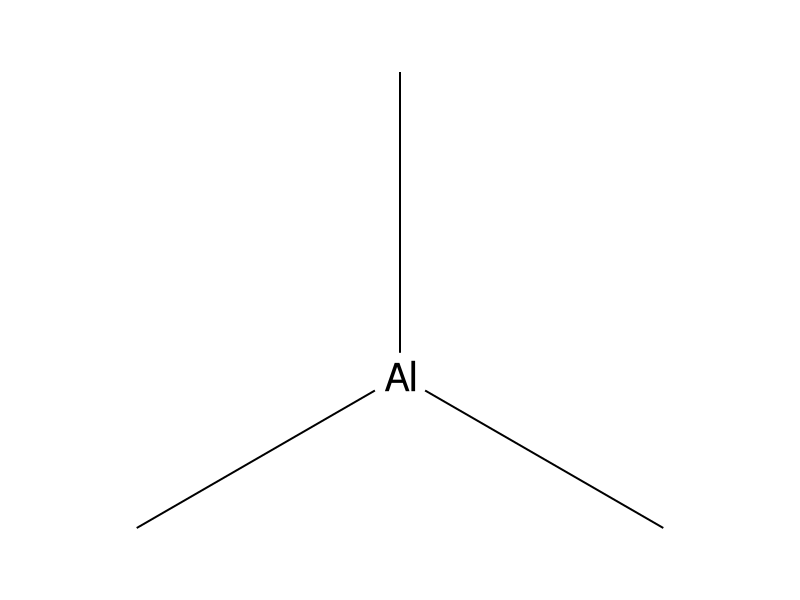
Trimethylaluminum → HCID 18626983, Verbindung

HRID 1860253
Drucken

Reaktionsgleichung

Reaktionsgleichung von HRID 1860253
[NH2:1][C:2]1[S:3][C:4]([C:13](=[O:15])[NH2:14])=[CH:5][C:6]=1[CH2:7][C:8](OCC)=[O:9].C[Al](C)C>ClCCl>[O:9]=[C:8]1[NH:1][C:2]2[S:3][C:4]([C:13]([NH2:14])=[O:15])=[CH:5][C:6]=2[CH2:7]1
KomponentenVersuchsvorschriftAufarbeitungQuellen und NachweiseNotizen zur Reaktion

Komponenten

4

Edukt 2

HCID 16682925TrimethylaluminumHCID 69844672Ethyl 2-amino-5-carbamoylthiophene-3-acetate

Produkt 1

HCID 18626983HCID 18626983, VerbindungAusbeute 52,6 %

Reagenzien, Katalysatoren, Lösungsmittel 1

HCID 6344DichloromethaneLösungsmittel

Versuchsvorschrift

Ethyl 2-amino-5-carbamoylthiophene-3-acetate (500 mg, 2.19 mmol) was dissolved in dry dichloromethane (20 ml) and treated at 0° C. with trimethyl-aluminium (2M in heptane, 3.5 ml, 7.22 mmol). The reaction mixture was allowed to warm slowly to room temperature over 3 hours, cooled to 0° C. and quenched with saturated aqueous ammonium chloride solution. The solution was extracted with ethyl acetate, the organic phase was dried over magnesium sulfate, evaporated to dryness and the residue chromatographed on silica gel using ethyl acetate as eluent to give 210 mg of 5,6-dihydro-5-oxo-4H-thieno[2,3-b]pyrrole-2-carboxamide as a pale grey solid. MS(ES): m/e 183 [M+H].

Aufarbeitung

  1. temperaturecooled to 0° C.
  2. customquenched with saturated aqueous ammonium chloride solution
  3. extractionThe solution was extracted with ethyl acetate
  4. dry with materialthe organic phase was dried over magnesium sulfate
  5. customevaporated to dryness
  6. customthe residue chromatographed on silica gel

Quellen und Nachweise

ORD-Eintrag
ord-00e29856e28343d299cd5bc6747b417a
Quelldatensatz
uspto-grants-2003_03
DOI
10.6084/m9.figshare.5104873.v1
Patentnummer
US06528653B2

Notizen zur Reaktion

Auf dieser SeiteKomponentenVersuchsvorschriftAufarbeitungQuellen und NachweiseNotizen zur Reaktion