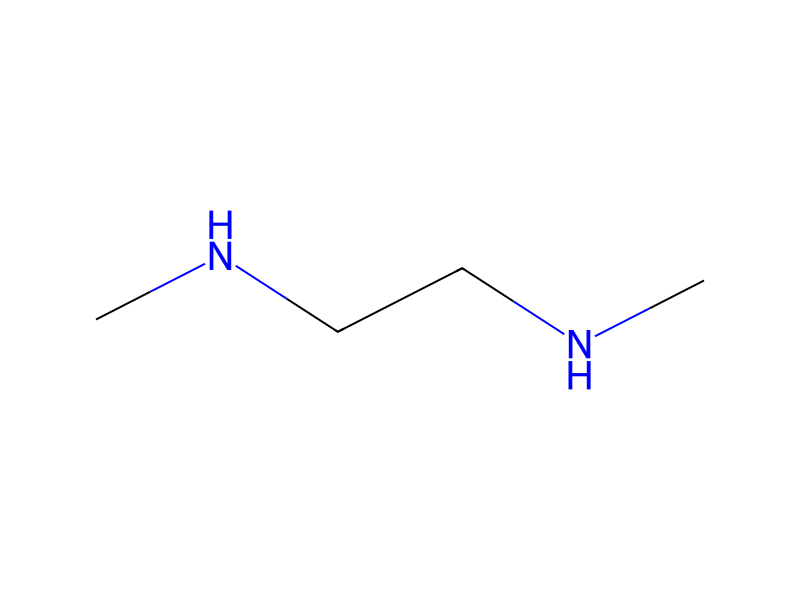
[CH:1]1[C:10]2[C:5](=[CH:6][CH:7]=[CH:8][CH:9]=2)[CH:4]=[CH:3][C:2]=1[S:11]([N:14]1[CH2:19][CH2:18][NH:17][C:16](=[O:20])[CH2:15]1)(=[O:13])=[O:12].Br[C:22]1[C:27]([C:28]([F:31])([F:30])[F:29])=[CH:26][CH:25]=[CH:24][N:23]=1.C(=O)([O-])[O-].[K+].[K+].CNCCNC>O.CCOC(C)=O.[Cu]I>[CH:1]1[C:10]2[C:5](=[CH:6][CH:7]=[CH:8][CH:9]=2)[CH:4]=[CH:3][C:2]=1[S:11]([N:14]1[CH2:19][CH2:18][N:17]([C:22]2[C:27]([C:28]([F:31])([F:30])[F:29])=[CH:26][CH:25]=[CH:24][N:23]=2)[C:16](=[O:20])[CH2:15]1)(=[O:13])=[O:12]An oven-dried microwave vial was charged with of 4-(naphthalene-2-sulfonyl)-piperazin-2-one (100 mg, 0.34 mmol), 2-bromo-3-trifluoromethyl pyridine (115.3 mg, 0.51 mmol), powdered anhydrous potassium carbonate (94 mg, 0.68 mmol), and CuI (6.5 mg, 0.034 mmol). The vial was purged and back-filled with N2. Anhydrous 1,4-dioxane (1.2 mL) was added, followed by 3.7 μL (0.034 mmol) of N,N′-dimethyl-1,2-ethylenediamine. The blue suspension was heated in a 110° C. oil bath for 48 hr. After cooling to room temperature, the brown suspension was diluted with H2O and EtOAc. The layers were separated, and the aqueous layer washed with EtOAc (2×). The combined organic layers were dried over Na2SO4, filtered, and concentrated under reduced pressure. The residue was purified by prep HPLC to provide 4.8 mg (3.2%) of 4-(Naphthalene-2-sulfonyl)-1-(3-trifluoromethyl-pyridin-2-yl)-piperazin-2-one as a light yellow solid.