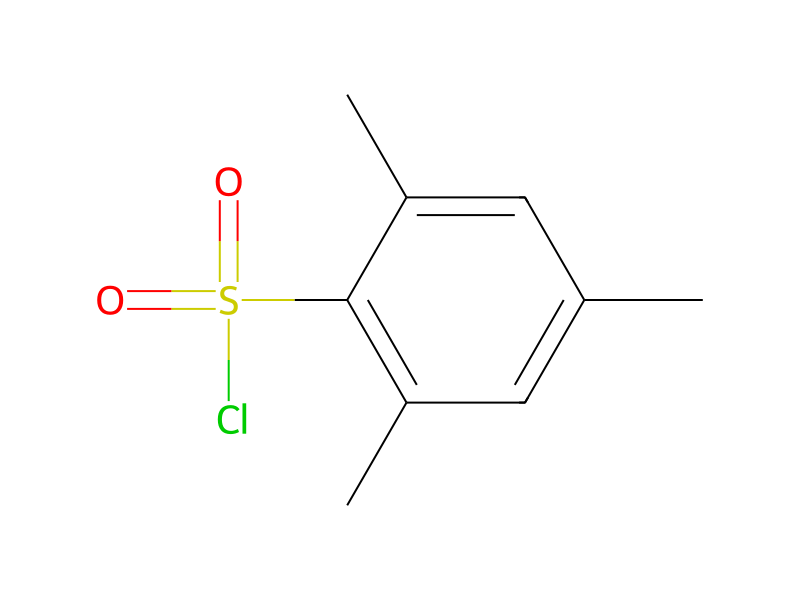
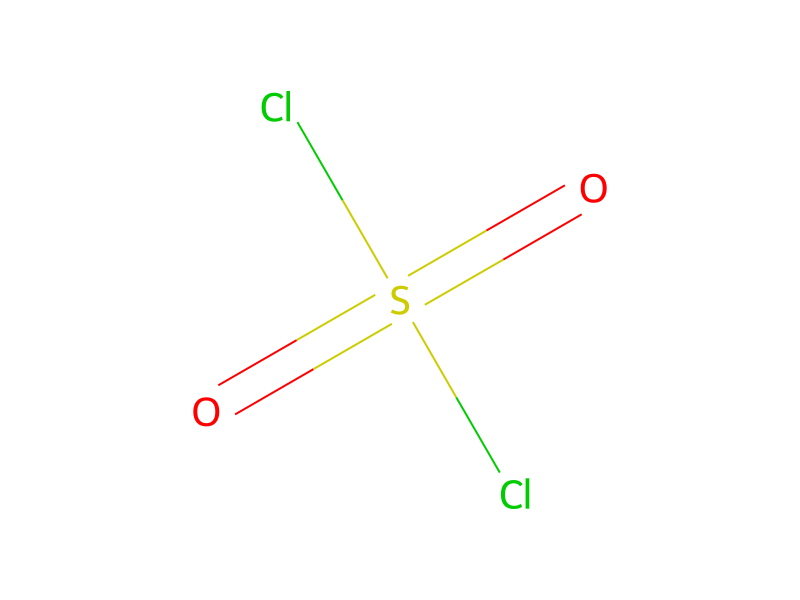
[CH2:1]([O:3][C:4](=[O:11])[CH:5]([NH2:10])[C:6]([F:9])([F:8])[F:7])[CH3:2].[C:12]1([CH3:24])[CH:17]=[C:16]([CH3:18])[CH:15]=[C:14]([CH3:19])[C:13]=1[S:20](Cl)(=[O:22])=[O:21].S(Cl)(Cl)(=O)=O>N1C=CC=CC=1.Cl>[CH2:1]([O:3][C:4](=[O:11])[CH:5]([NH:10][S:20]([C:13]1[C:14]([CH3:19])=[CH:15][C:16]([CH3:18])=[CH:17][C:12]=1[CH3:24])(=[O:22])=[O:21])[C:6]([F:7])([F:8])[F:9])[CH3:2]A mixture of 2.10 g (12.3 mmol) of 2-amino-3,3,3-trifluoropropionic acid ethyl ester and 2.80 g (12.8 mmol) of 2-mesitylenesulfonyl chloride in 10 mL of pyridine was warmed at 70° C. After 3 hours, TLC (ethyl acetate-hexanes (2:8)) indicated a new product (PMA stain) that was more polar then sulfonyl chloride. The mixture was then diluted with 1 N aqueous HCl and extracted with three 30 mL portions of ethyl acetate. The combined organic layers were washed with three 30 mL portions of 1 N aqueous HCl, 20 mL of brine, and three 20 mL portions of saturated aqueous sodium bicarbonate solution, dried over magnesium sulfate, filtered, and concentrated in vacuo. The residue was chromatographed on silica gel eluting with ethyl acetate-hexanes (2-6% gradient) to afford 1.1 g (25%) of 3,3,3-trifluoro-2-(2,4,6-trimethylbenzenesulfonylamino)propionic acid ethyl ester.