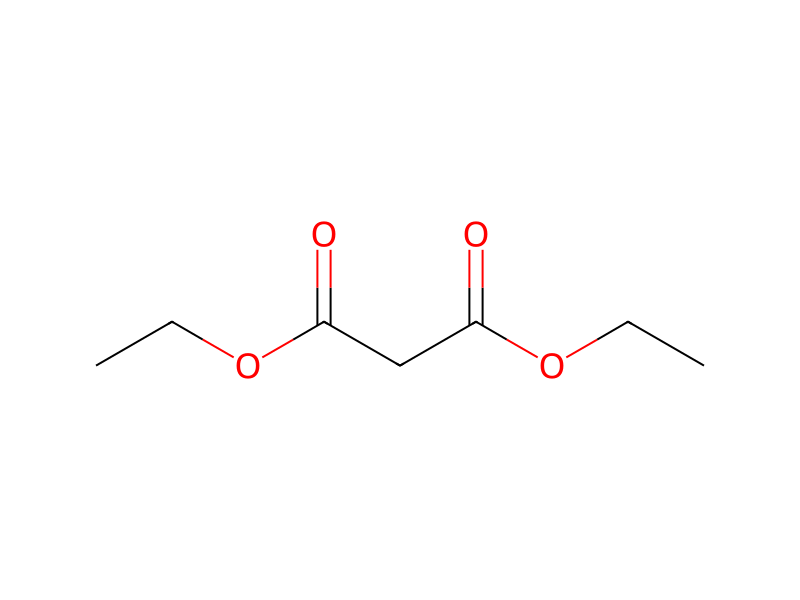
A solution of 2-(4-chlorophenyl)-2-methylpropionic acid (1.99 g, 10.0 mmol, 1.0 eq.) in IPAc (10 mL) was treated with DMF (0.02 mL) and oxalyl chloride (0.92 mL, 10.5 mmol). The resulting solution was stirred at room temperature for 2 hours. In a separate vessel, was charged diethyl malonate (1.91 mL, 12.5 mmol), IPAc (14 mL), and MgCl2 (11.9 g, 12.5 mmol). The resulting malonate slurry was stirred at room temperature for 30 minutes and subsequently treated with TEA (4.7 mL, 33.5 mmol). The resulting suspension was aged at room temperature for 2 hours, cooled to 5° C. and treated with the above acyl chloride solution. The resulting mixture was warmed to ambient temperature and aged for 1 hour. The slurry was quenched with a 5N HCl solution (10 mL) and the phases were split. The organic phase was washed with saturated NaHCO3 solution (2×10 mL) and water (1×10 mL). The organic phase was dried (MgSO4) and concentrated in vacuo to afford an orange oil. MS m/e=341.2 (M+H)+.