StartseiteMCPWorkbenchSkills
StartseiteWorkbenchBenachrichtigungenMein Bereich
llms.txt · MCP-AnleitungDatenschutz · Nutzungsbedingungen · Supportv1.8.3
  1. Startseite
  2. /Reaktion

Hydrochloric Acid → 2-[4-(4-Pentylphenyl)phenyl]-1-trimethylsilylacetylene

HRID 1872360
Drucken

Reaktionsgleichung

Reaktionsgleichung von HRID 1872360
Br[C:2]1[CH:7]=[CH:6][C:5]([C:8]2[CH:13]=[CH:12][C:11]([CH2:14][CH2:15][CH2:16][CH2:17][CH3:18])=[CH:10][CH:9]=2)=[CH:4][CH:3]=1.[CH3:19][Si:20]([C:23]#[CH:24])([CH3:22])[CH3:21].C1(P(C2C=CC=CC=2)C2C=CC=CC=2)C=CC=CC=1.[I-].Cl>N1CCCCC1.C1C=CC([P]([Pd]([P](C2C=CC=CC=2)(C2C=CC=CC=2)C2C=CC=CC=2)([P](C2C=CC=CC=2)(C2C=CC=CC=2)C2C=CC=CC=2)[P](C2C=CC=CC=2)(C2C=CC=CC=2)C2C=CC=CC=2)(C2C=CC=CC=2)C2C=CC=CC=2)=CC=1.C(OCC)(=O)C.O>[CH2:14]([C:11]1[CH:12]=[CH:13][C:8]([C:5]2[CH:6]=[CH:7][C:2]([C:24]#[C:23][Si:20]([CH3:22])([CH3:21])[CH3:19])=[CH:3][CH:4]=2)=[CH:9][CH:10]=1)[CH2:15][CH2:16][CH2:17][CH3:18]
KomponentenReaktionsbedingungenVersuchsvorschriftAufarbeitungQuellen und NachweiseNotizen zur Reaktion

Komponenten

10

Edukt 5

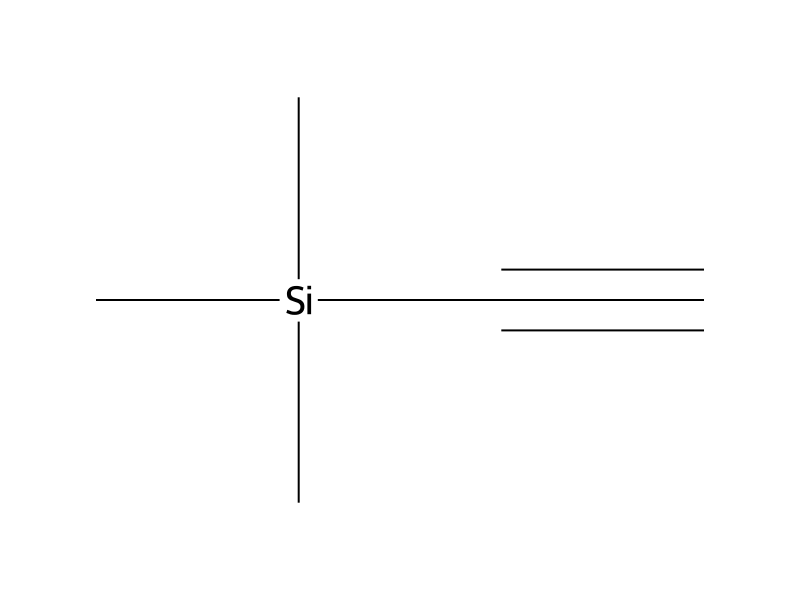
HCID 313Hydrochloric AcidHCID 11776TriphenylphosphineHCID 30165Iodide IonHCID 66111TrimethylsilylacetyleneHCID 6187094-Bromo-4'-pentylbiphenyl

Produkt 1

HCID 151207692-[4-(4-Pentylphenyl)phenyl]-1-trimethylsilylacetylene

Reagenzien, Katalysatoren, Lösungsmittel 4

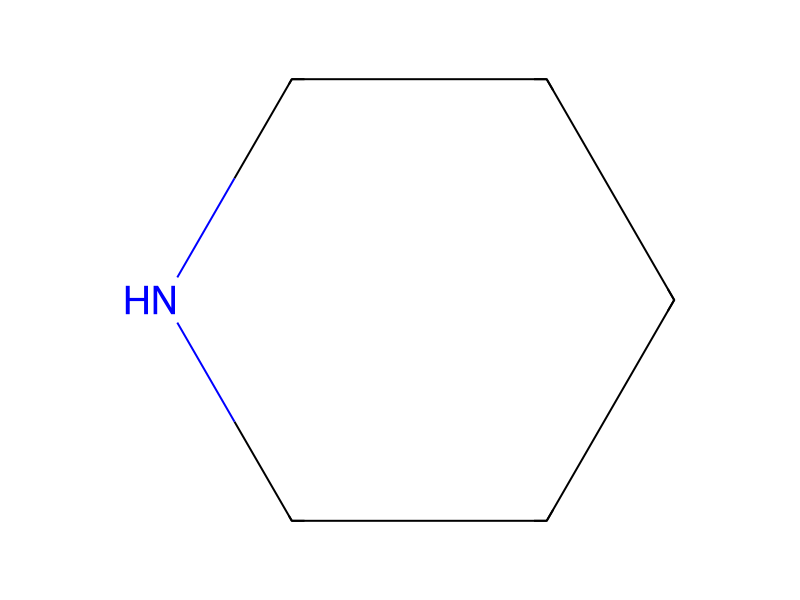
HCID 178418397HCID 178418397, VerbindungKatalysatorHCID 962WaterLösungsmittelHCID 8082PiperidineLösungsmittelHCID 8857Ethyl AcetateLösungsmittel

Reaktionsbedingungen

Temperatur
90 °C

Versuchsvorschrift

A mixture of 4-bromo-4'-pentylbiphenyl (5.04 g), trimethylsilylacetylene (2.4 ml), tetrakis(triphenylphosphine)palladium (0.96 g), triphenylphosphine (0.22 g) and cuproous iodide (95 mg) in piperidine (10 ml) was heated for an hour under atmospheric pressure of nitrogen at 90° C. The reaction mixture was poured into a mixture of cold water and ethyl acetate, and adjusted to about pH 1 with 6N hydrochloric acid. The separated organic layer was washed with water and brine, and dried over magnesium sulfate. The magnesium sulfate was filtered off, and the filtrate was evaporated under reduced pressure to give crude (2-[4-(4-pentylphenyl)phenyl]-1-trimethylsilylacetylene, which was used for the next reaction without further purification. Crude mixture was dissolved in a mixture of dichloromethane (10 ml) and methanol (10 ml), and to the solution was added potassium carbonate (2.75 g) at 0° C. The mixture was allowed to warm to ambient temperature, and stirred for another 2 hours. The reaction mixture was poured into a mixture of cold water and ethyl acetate, and the resultant precipitate was filtered off. The filtrate was adjusted to about pH 7 with 1N hydrochloric acid, and washed with brine, and dried over magnesium sulfate. The magnesium sulfate was filtered off, and the filtrate was evaporated under reduced pressure to give a crude powder, which was subjected to column chromatography on silica gel (300 ml), and eluted with a mixture of (n-hexane : ethyl acetate=99:1-97:3, V/V) to give 4-(4-Pentylphenyl)phenylacetylene (2.09 g).


Aufarbeitung

  1. washThe separated organic layer was washed with water and brine
  2. dry with materialdried over magnesium sulfate
  3. filtrationThe magnesium sulfate was filtered off
  4. customthe filtrate was evaporated under reduced pressure

Quellen und Nachweise

ORD-Eintrag
ord-c76b662b6cf641ee95260d357ad82016
Quelldatensatz
uspto-grants-2000_08
DOI
10.6084/m9.figshare.5104873.v1
Patentnummer
US06107458

Notizen zur Reaktion

Auf dieser SeiteKomponentenReaktionsbedingungenVersuchsvorschriftAufarbeitungQuellen und NachweiseNotizen zur Reaktion