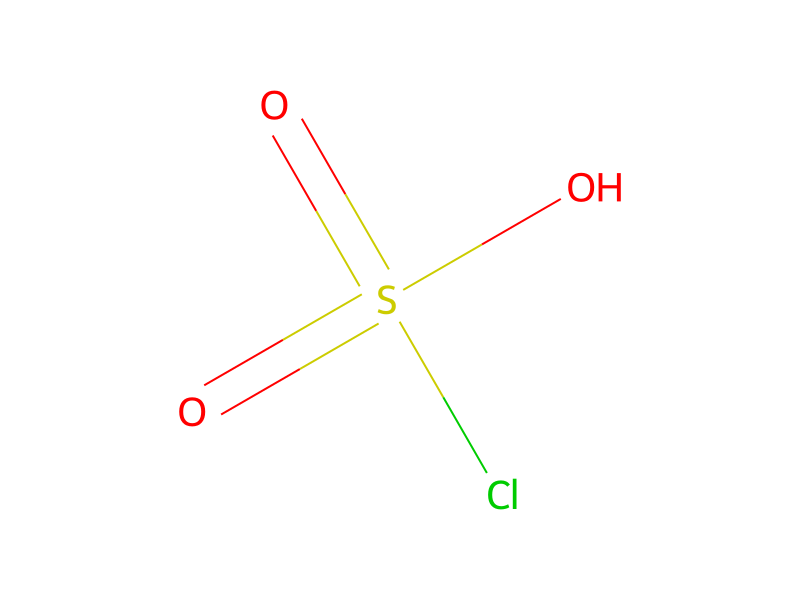
In a 20 l jacketed vessel fitted with reflux condenser and water separator, 14650 g of o-xylene were initially charged, and 411 g of chlorosulfonic acid were added. 2074 g of 3-amino-1,2,4-triazole and 3690 g of a solution of 2-propionylpent-4-enenitrile (87.4% in o-xylene) were added, and the mixture was heated to reflux. The mixture was stirred under reflux for 14 hours, and the water of reaction formed was removed via a phase separator. Once no more water separated off, the mixture was cooled to 130° C. and 634 g of triethylamine were added. On further cooling, the product precipitated in the form of colorless crystals. At a temperature of 100° C., 2350 g of isopropanol were added. The mixture was cooled further to 20° C., and the solid formed was separated off. The filtercake was washed with 1500 ml of a 1:1 mixture of isopropanol and water and then dried under reduced pressure. This gives 4057 g of a colorless powder. Melting point: 258° C. (decomposition), 1H-NMR: 1.35 (t, 3H); 2.88 (q, 2H); 3.45 (d, 2H); 5.09 (d, 2H); 5.20 (d, 2H); 5.6 (s, broad, 2H); 5.8-6.0 (m, 1H); 8.30 (s, 1H). Yield: 84.0%.