StartseiteMCPWorkbenchSkills
StartseiteWorkbenchBenachrichtigungenMein Bereich
llms.txt · MCP-AnleitungDatenschutz · Nutzungsbedingungen · Supportv1.8.3
  1. Startseite
  2. /Reaktion

Hydrochloric Acid → 2-[4-(ethylsulfonyl)phenyl]-3-(tetrahydro-2H-pyran-4-yl)propanoic acid

HRID 1881853
Drucken

Reaktionsgleichung

Reaktionsgleichung von HRID 1881853
Br[C:2]1[CH:7]=[CH:6][C:5]([S:8]([CH2:11][CH3:12])(=[O:10])=[O:9])=[CH:4][CH:3]=1.[C:13](OCC)(=O)[CH2:14][C:15]([O:17][CH2:18][CH3:19])=O.P([O-])([O-])([O-])=O.[K+].[K+].[K+].[OH-:32].[Na+].Cl>O1CCOCC1.C([O-])(=O)C.[Pd+2].C([O-])(=O)C.C1(C2C=CC=CC=2)C=CC=CC=1P(C(C)(C)C)C(C)(C)C.CO.O1CCCC1>[CH2:11]([S:8]([C:5]1[CH:6]=[CH:7][C:2]([CH:14]([CH2:13][CH:13]2[CH2:14][CH2:15][O:17][CH2:18][CH2:19]2)[C:15]([OH:17])=[O:32])=[CH:3][CH:4]=1)(=[O:10])=[O:9])[CH3:12]
KomponentenReaktionsbedingungenVersuchsvorschriftAufarbeitungQuellen und NachweiseNotizen zur Reaktion

Komponenten

11

Edukt 5

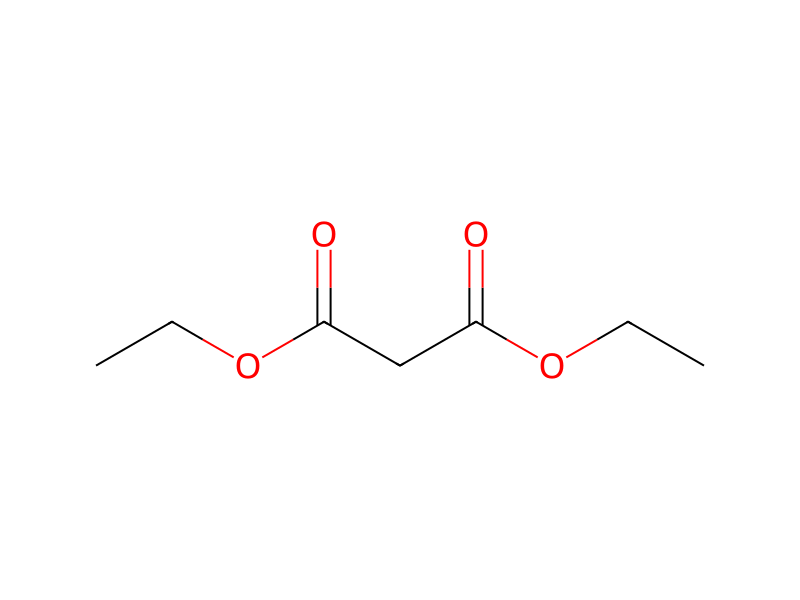
HCID 313Hydrochloric AcidHCID 7761Diethyl MalonateHCID 14798Sodium HydroxideHCID 62657Potassium Phosphate, TribasicHCID 115723521-Bromo-4-(ethanesulfonyl)benzene

Produkt 1

HCID 210939922-[4-(ethylsulfonyl)phenyl]-3-(tetrahydro-2H-pyran-4-yl)propanoic acid
Ausbeute 67 %

Reagenzien, Katalysatoren, Lösungsmittel 5

HCID 167845palladium(II) acetateKatalysatorHCID 27342152-(Di-tert-butylphosphino)biphenylKatalysatorHCID 887MethanolLösungsmittelHCID 8028TetrahydrofuranLösungsmittelHCID 312751,4-DioxaneLösungsmittel

Reaktionsbedingungen

Temperatur
0 °C

Versuchsvorschrift

To a solution of 1-bromo-4-(ethylsulfonyl)benzene (1.50 g) in 1,4-dioxane (20 mL) were added diethyl malonate (1.16 g), potassium phosphate (3.84 g), biphenyl-2-yl(di-tert-butyl)phosphine (108 mg) and palladium acetate (II) (40 mg). The reaction solution was purged with argon, and the mixture was heated under reflux for 12 hr. A saturated aqueous ammonium chloride solution was added to the reaction mixture, and the mixture was extracted with ethyl acetate. The extract was washed successively with water and saturated brine, dried over anhydrous magnesium sulfate and concentrated under reduced pressure. The residue was purified by silica gel column chromatography (ethyl acetate:hexane=10:90-50:50, volume ratio) to give a colorless oil. A solution of the obtained oil in N,N-dimethylformamide (20 mL) was purged with nitrogen, sodium hydride (60%, oil, 213 mg) was added under ice-cooling, and the mixture was stirred at 0° C. for 15 min. To the reaction solution was added a solution of 4-(iodomethyl)tetrahydro-2H-pyran (1.15 g) in N,N-dimethylformamide (10 mL) at 0° C., and the mixture was stirred for 3 hr at 90° C. The reaction mixture was concentrated under reduced pressure, saturated aqueous ammonium chloride solution was added to the residue, and the mixture was extracted with ethyl acetate. The extract was washed successively with water and saturated brine, dried over anhydrous magnesium sulfate and concentrated under reduced pressure. The residue was purified by basic silica gel column chromatography (ethyl acetate:hexane=10:90-40:60, volume ratio) to give a colorless oil. To a solution of the obtained oil in a mixed solvent of tetrahydrofuran (40 mL) and methanol (20 mL) was added 2M aqueous sodium hydroxide solution (10 mL), and the mixture was stirred at 60° C. for 3 hr. The reaction solution was cooled to room temperature, and acidified with 1M hydrochloric acid, and the mixture was extracted with ethyl acetate. The extract was washed successively with water and saturated brine, dried over anhydrous magnesium sulfate and concentrated under reduced pressure. The residue was recrystallized from hexane-ethyl acetate to give the title compound (1.33 g, yield 67%) as colorless crystals. MS: 327 (MH+).


Aufarbeitung

  1. customThe reaction solution was purged with argon
  2. temperaturethe mixture was heated
  3. temperatureunder reflux for 12 hr
  4. additionA saturated aqueous ammonium chloride solution was added to the reaction mixture
  5. extractionthe mixture was extracted with ethyl acetate
  6. washThe extract was washed successively with water and saturated brine
  7. dry with materialdried over anhydrous magnesium sulfate
  8. concentrationconcentrated under reduced pressure
  9. customThe residue was purified by silica gel column chromatography (ethyl acetate:hexane=10:90-50:50, volume ratio)
  10. customto give a colorless oil
  11. customA solution of the obtained oil in N,N-dimethylformamide (20 mL) was purged with nitrogen, sodium hydride (60%, oil, 213 mg)
  12. additionwas added under ice-
  13. temperaturecooling
  14. additionTo the reaction solution was added a solution of 4-(iodomethyl)tetrahydro-2H-pyran (1.15 g) in N,N-dimethylformamide (10 mL) at 0° C.
  15. stirringthe mixture was stirred for 3 hr at 90° C
  16. concentrationThe reaction mixture was concentrated under reduced pressure, saturated aqueous ammonium chloride solution
  17. additionwas added to the residue
  18. extractionthe mixture was extracted with ethyl acetate
  19. washThe extract was washed successively with water and saturated brine
  20. dry with materialdried over anhydrous magnesium sulfate
  21. concentrationconcentrated under reduced pressure
  22. customThe residue was purified by basic silica gel column chromatography (ethyl acetate:hexane=10:90-40:60, volume ratio)
  23. customto give a colorless oil
  24. stirringthe mixture was stirred at 60° C. for 3 hr
  25. temperatureThe reaction solution was cooled to room temperature
  26. extractionthe mixture was extracted with ethyl acetate
  27. washThe extract was washed successively with water and saturated brine
  28. dry with materialdried over anhydrous magnesium sulfate
  29. concentrationconcentrated under reduced pressure
  30. customThe residue was recrystallized from hexane-ethyl acetate

Quellen und Nachweise

ORD-Eintrag
ord-4b3e255f952c427eb81b07bf4224eb7c
Quelldatensatz
uspto-grants-2012_11
DOI
10.6084/m9.figshare.5104873.v1
Patentnummer
US08318746B2

Notizen zur Reaktion

Auf dieser SeiteKomponentenReaktionsbedingungenVersuchsvorschriftAufarbeitungQuellen und NachweiseNotizen zur Reaktion