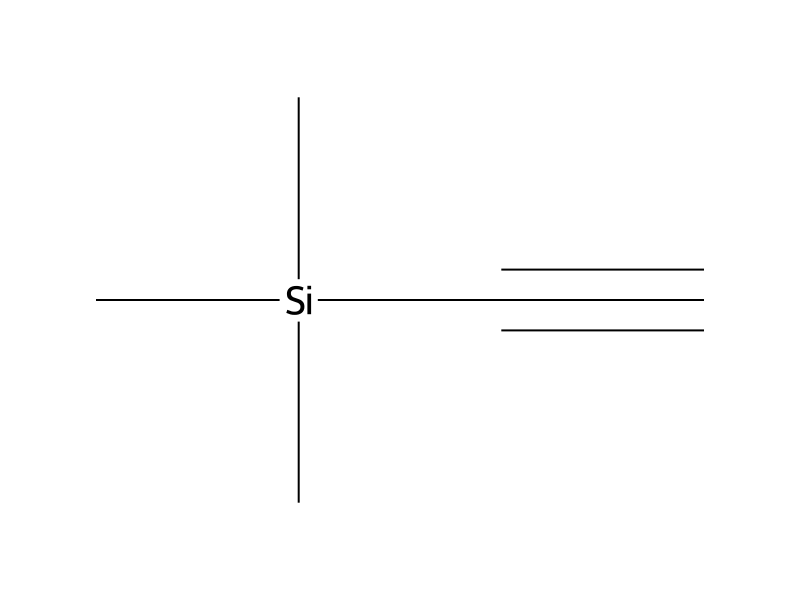
[C:1]([O:5][C:6](=[O:14])[NH:7][C:8]1[S:9][C:10](Br)=[CH:11][N:12]=1)([CH3:4])([CH3:3])[CH3:2].[CH3:15][Si:16]([C:19]#[CH:20])([CH3:18])[CH3:17].O>C(N(CC)CC)C.[Cu]I>[C:1]([O:5][C:6](=[O:14])[NH:7][C:8]1[S:9][C:10]([C:20]#[C:19][Si:16]([CH3:18])([CH3:17])[CH3:15])=[CH:11][N:12]=1)([CH3:4])([CH3:3])[CH3:2](5-Bromo-thiazol-2-yl)-carbamic acid tert-butyl ester (2.0 g, 7.164 mmol) was taken in triethylamine (20 ml). To this solution was added CuI (0.041 g, 0.215 mmol), PdCl2 (PPh3)2 (0.050 g, 0.071 mmol) followed by the addition of trimethylsilylacetylene (1.055 g, 10.741 mmol). The reaction was heated at 80° C. overnight. Reaction mixture was cooled to room temperature and poured into water (50 ml), extracted with ethyl acetate (30 ml×3). The combined organic layer was washed with 1N HCl followed by brine and dried over anhydrous sodium sulfate. The solvent was removed under reduced pressure. The crude product was purified by column chromatography over silica gel using 6% ethyl acetate hexane as eluent to provide pure (5-trimethylsilanylethynyl-thiazol-2-yl)-carbamic acid tert-butyl ester (1.679 g).