StartseiteMCPWorkbenchSkills
StartseiteWorkbenchBenachrichtigungenMein Bereich
llms.txt · MCP-AnleitungDatenschutz · Nutzungsbedingungen · Supportv1.8.3
  1. Startseite
  2. /Reaktion

Acetone → HCID 58054480, Verbindung

HRID 1892897
Drucken

Reaktionsgleichung

Reaktionsgleichung von HRID 1892897
F[C:2]1[C:9]([F:10])=[CH:8][CH:7]=[C:6]([O:11][CH3:12])[C:3]=1[C:4]#[N:5].[OH2:13].[NH2:14][NH2:15].CC(C)=O.[C:20]1(=O)O[C:23](=[O:24])[C:22]2=[CH:26][CH:27]=[CH:28][CH:29]=[C:21]12>CN1CCCC1=O.O1CCOCC1>[F:10][C:9]1[CH:8]=[CH:7][C:6]([O:11][CH3:12])=[C:3]2[C:2]=1[NH:15][N:14]=[C:4]2[N:5]1[C:20](=[O:13])[C:21]2[C:22](=[CH:26][CH:27]=[CH:28][CH:29]=2)[C:23]1=[O:24]
KomponentenReaktionsbedingungenVersuchsvorschriftAufarbeitungQuellen und NachweiseNotizen zur Reaktion

Komponenten

7

Edukt 4

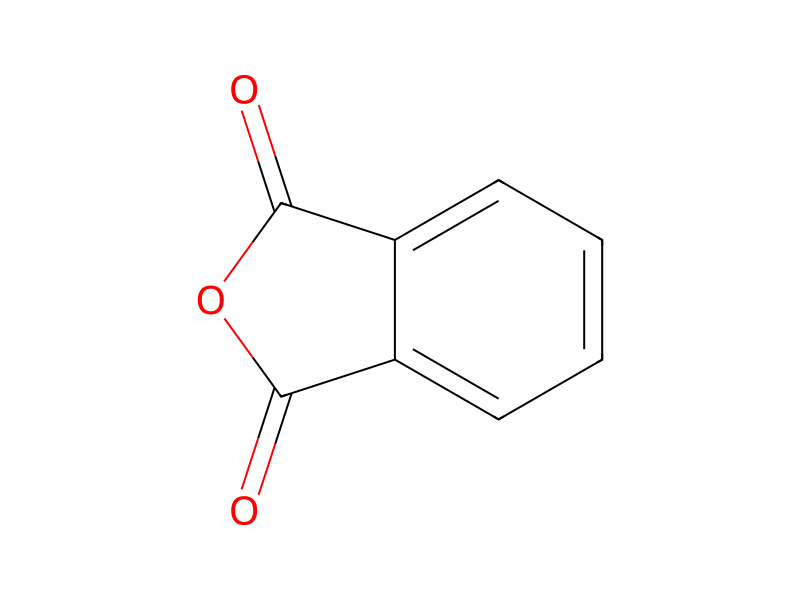
HCID 180AcetoneHCID 6811Phthalic AnhydrideHCID 24654Hydrazine hydrate (1:1)HCID 38419402,3-Difluoro-6-methoxybenzonitrile

Produkt 1

HCID 58054480HCID 58054480, VerbindungAusbeute 47 %

Reagenzien, Katalysatoren, Lösungsmittel 2

HCID 13387
N-methyl-2-pyrrolidone
Lösungsmittel
HCID 312751,4-DioxaneLösungsmittel

Reaktionsbedingungen

Temperatur
150 °C

Versuchsvorschrift

2,3-Difluoro-6-methoxybenzonitrile (600 mg, 3.5 mmol) (available from JRD Fluorochemicals) was dissolved in dry N-methylpyrrolidinone (3 mL). and then treated with hydrazine hydrate (4 equiv., 0.65 mL) (available from Aldrich) and the resulting mixture was heated in a Biotage microwave vial at high absorption level for 15 minutes at 150° C. Acetone (3 mL) was added, and the solution stirred for 15 minutes and left to stand overnight. The solution was then loaded onto a 50 g SCX-2 cartridge. The column was eluted with methanol, and then 2M ammonia solution in ethanol. The basic fractions were combined and evaporated under reduced pressure. The crude oil obtained was treated with phthalic anhydride (789 mg, 5.3 mmol) (available from Aldrich) and dry 1,4-dioxane (10 mL). The reaction mixture was stirred for 48 hours at 110° C. The dioxane was removed under reduced pressure, and the residue was partitioned between dichloromethane (50 mL) and water (50 mL). The organic phase was separated and the aqueous was further extracted with 50 mL of dichloromethane. The combined organic solutions were dried through an hydrophobic frit, and concentrated under reduced pressure. The residue was purified by chromatography on silica (100 g cartridge) on Flashmaster eluting with a gradient of 0-100% ethyl acetate in cyclohexane over 80 minutes to give the title compound (510 mg, 47%). LCMS (System A) RT=0.98 min, ES+ve m/z 312 (M+H)+.


Aufarbeitung

  1. waitleft
  2. waitto stand overnight
  3. washThe column was eluted with methanol
  4. customevaporated under reduced pressure
  5. customThe crude oil obtained
  6. stirringThe reaction mixture was stirred for 48 hours at 110° C
  7. customThe dioxane was removed under reduced pressure
  8. customthe residue was partitioned between dichloromethane (50 mL) and water (50 mL)
  9. customThe organic phase was separated
  10. extractionthe aqueous was further extracted with 50 mL of dichloromethane
  11. customThe combined organic solutions were dried through an hydrophobic frit
  12. concentrationconcentrated under reduced pressure
  13. customThe residue was purified by chromatography on silica (100 g cartridge) on Flashmaster
  14. washeluting with a gradient of 0-100% ethyl acetate in cyclohexane over 80 minutes

Quellen und Nachweise

ORD-Eintrag
ord-a0b19fa6d9c4454a80e4073699212fb3
Quelldatensatz
uspto-grants-2013_08
DOI
10.6084/m9.figshare.5104873.v1
Patentnummer
US08507543B2

Notizen zur Reaktion

Auf dieser SeiteKomponentenReaktionsbedingungenVersuchsvorschriftAufarbeitungQuellen und NachweiseNotizen zur Reaktion