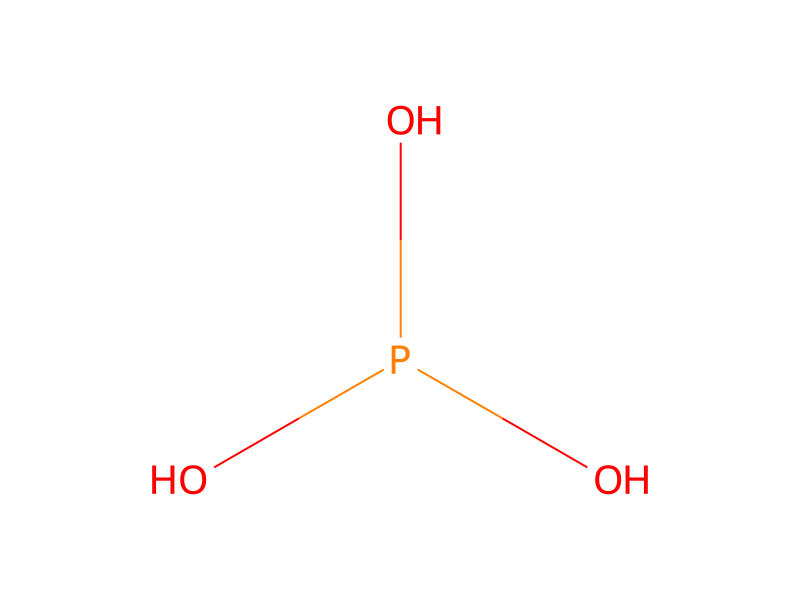
In a three neck round bottom flask equipped with an addition funnel, a reflux condenser, and a stir bar was added 50 mL of water, 50 mL of concentrated hydrochloric acid, and 10.7 g (0.13 mol) of phosphorous acid. The solution was stirred and heated at reflux and then treated with 18.3 g (0.10 mol) of N-(2-carboxyethyl)glycine. Then 9.8 mL of a 40% (w/v) formaldehyde solution was added dropwise over 30 minutes. Heating was continued an additional 60 minutes. The solvent was then removed under reduced pressure until only a few mL remained. This was allowed to sit at 5° C. during which time a precipitate formed. This solid was filtered, washed with ethanol, and dried. The solvent was removed from the filtrate under reduced pressure. The residue was chromatographed on Dowex 50X8-400 ion exchange resin using water as the eluent. Combined with the initial precipitate, the ma3or fraction gave a total of 12.7 g (52%) of N-(2-carboxyethyl)-N-phosphonomethylglycine.