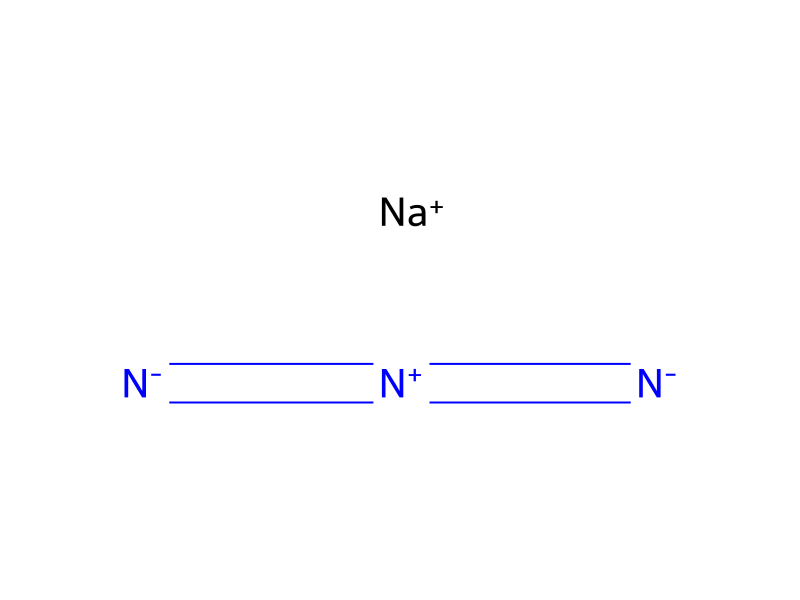
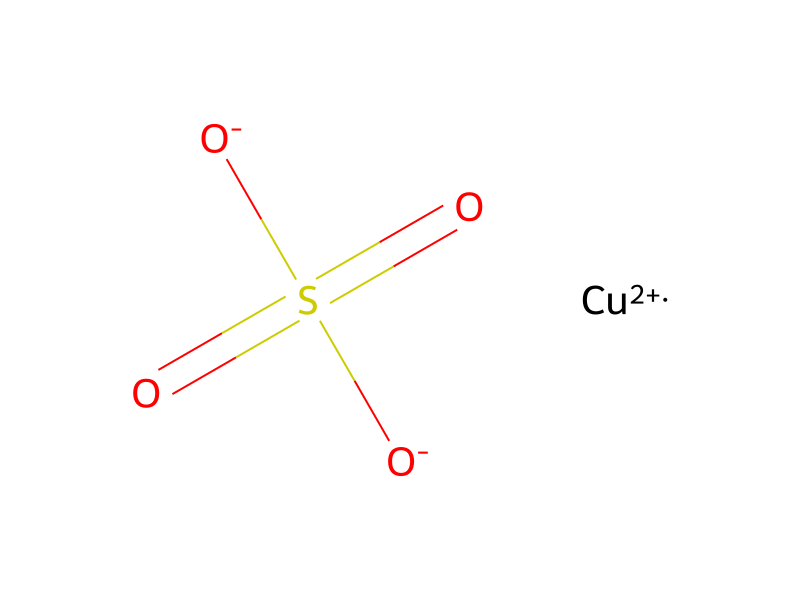
I[CH2:2][C:3]1[CH:11]=[CH:10][C:6]2[O:7][CH2:8][O:9][C:5]=2[CH:4]=1.[N-:12]=[N+:13]=[N-:14].[Na+].[O:16]=[C:17]1[O:23][C@H:22]([C@H](CO)O)[C:20]([O-])=[C:18]1O.[Na+].C(OC)(=O)CC>CS(C)=O.[O-]S([O-])(=O)=O.[Cu+2].O>[O:7]1[C:6]2[CH:10]=[CH:11][C:3]([CH2:2][N:12]3[CH:20]=[C:18]([C:17]([O:23][CH3:22])=[O:16])[N:14]=[N:13]3)=[CH:4][C:5]=2[O:9][CH2:8]1Compound 419 (1.72 g, 6.57 mmo) was dissolved in a 0.5 M solution of sodium azide 13.1 mL, 6.57 mmol) in DMSO (2 mL), stirred at room temperature overnight and quenched by pouring into a saturated solution of sodium thiosulfate. The compound was extracted with AcOEt, washed with brine, dried over MgSO4 and filtered to give a yellow solution. Water (2.5 mL) was then added followed by solid sodium ascorbate (130 mg, 0.657 mmol), methyl propionate (553 mg, 0.657 mmol) and 1M aq. CuSO4 solution (0.2 mL) to give a yellow solution. The reaction mixture was stirred overnight at room temperature to give a mustard-colored suspension. Water was added until a suspension formed, filtered, washed with water, and dried to generate the title compound 420 (1.05 g, 63% yield) as a mustard-colored solid.