Reaktionsgleichung

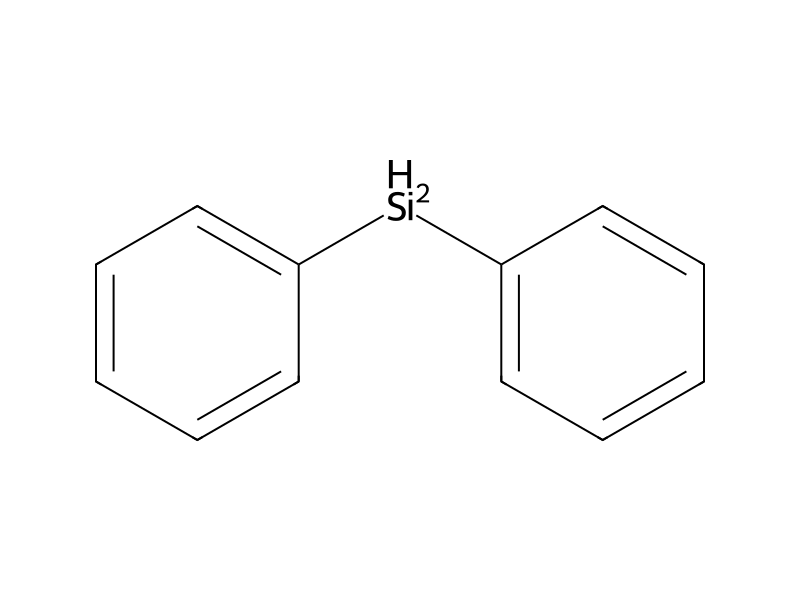
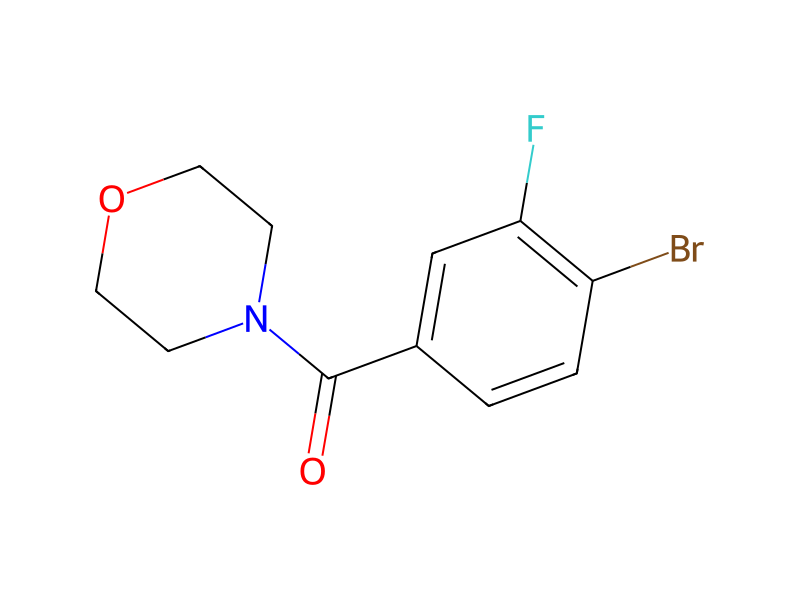
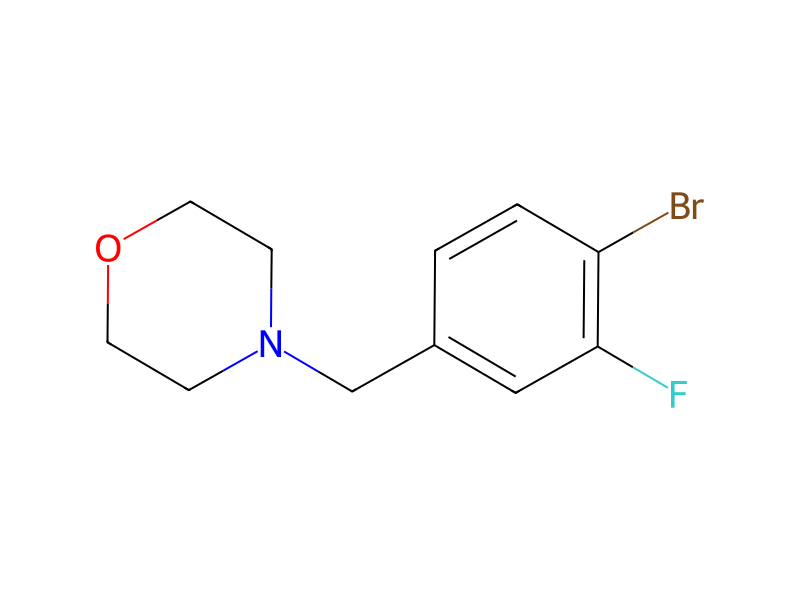
[Br:1][C:2]1[CH:7]=[CH:6][C:5]([C:8]([N:10]2[CH2:15][CH2:14][O:13][CH2:12][CH2:11]2)=O)=[CH:4][C:3]=1[F:16].C1([SiH2]C2C=CC=CC=2)C=CC=CC=1>C1COCC1.C=O.C1C=CC(P(C2C=CC=CC=2)C2C=CC=CC=2)=CC=1.C1C=CC(P(C2C=CC=CC=2)C2C=CC=CC=2)=CC=1.C1C=CC(P(C2C=CC=CC=2)C2C=CC=CC=2)=CC=1.[Rh]>[Br:1][C:2]1[CH:7]=[CH:6][C:5]([CH2:8][N:10]2[CH2:11][CH2:12][O:13][CH2:14][CH2:15]2)=[CH:4][C:3]=1[F:16]Komponenten
5
Edukt 2
Produkt 1
Reagenzien, Katalysatoren, Lösungsmittel 2


Versuchsvorschrift
A 250 ml flask was charged with (4-bromo-3-fluorophenyl)(morpholino)methanone (4.569 g, 15.86 mmol) and dissolved in 16 mL of THF. Diphenylsilane (6.2 ml, 33.4 mmol) was added followed by carbonyltris(triphenylphosphine)rhodium(I)hydride (100 mg, 0.109 mmol) and the reaction stirred at room temperature for 20 hours.
Quellen und Nachweise
- ORD-Eintrag
- ord-7f048c54528c4de8b280552f6360c4a3
- Quelldatensatz
- uspto-grants-2013_12
- Patentnummer
- US08598169B2
Verknüpfte Notizen
Wird geladen…