Sodium hydride → 7-bromo-6-fluoro-2-(4-methoxybenzyl)isoquinolin-1(2H)-one
Reaktionsgleichung

[Br:1][C:2]1[CH:11]=[C:10]2[C:5]([CH:6]=[CH:7][NH:8][C:9]2=[O:12])=[CH:4][C:3]=1[F:13].[H-].[Na+].[CH3:16][O:17][C:18]1[CH:25]=[CH:24][C:21]([CH2:22]Cl)=[CH:20][CH:19]=1>CC(N(C)C)=O>[Br:1][C:2]1[CH:11]=[C:10]2[C:5]([CH:6]=[CH:7][N:8]([CH2:22][C:21]3[CH:24]=[CH:25][C:18]([O:17][CH3:16])=[CH:19][CH:20]=3)[C:9]2=[O:12])=[CH:4][C:3]=1[F:13]Komponenten
Edukt 3

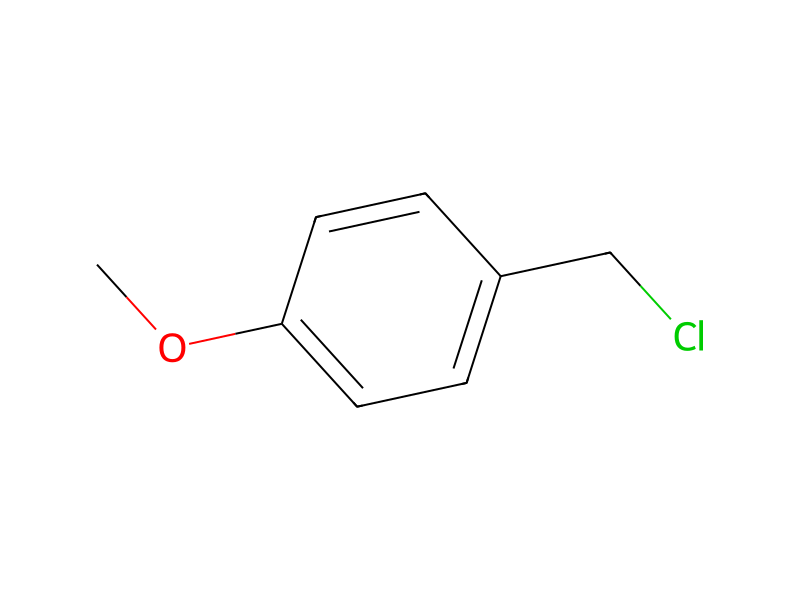

Produkt 1

Reagenzien, Katalysatoren, Lösungsmittel 1

Versuchsvorschrift
9.66 g (39.9 mmol) of 7-Bbromo-6-fluoro-2H-isoquinolin-1-one (95) were dissolved in 180 ml of dimethyl acetamide and 1.92 g (48.0 mmol) of sodium hydride (60%) were added. After 1 h at room temperature a solution of 7.50 g (48.0 mmol) of 4-methoxy benzylchloride in 25 ml of dimethyl acetamide was added. The mixture was stirred at room temperature until complete conversion was achieved. The solvent was removed under reduced pressure, the residue was taken up in saturated sodium bicarbonate solution and extracted three times with dichloromethane. The organic layers were dried with magnesium sulfate and evaporated to yield 16.8 g of a dark oil as crude product, which was stirred in methanol. Filtration of the precipitate gave 6.56 g of the title compound as a yellow solid. The mother liquor was evaporated and the residue purified by preparative HPLC to yield additional 2.62 g of the desired product. Rt=1.71 min (Method C). Detected mass: 362.3/364.3 (M+H+).
Aufarbeitung
- customThe solvent was removed under reduced pressure
- extractionextracted three times with dichloromethane
- dry with materialThe organic layers were dried with magnesium sulfate
- customevaporated
Quellen und Nachweise
- ORD-Eintrag
- ord-3946d9c3b6e64458b4193941bfbdb2d4
- Quelldatensatz
- uspto-grants-2013_12
- Patentnummer
- US08609691B2
Notizen zur Reaktion
Wird geladen…