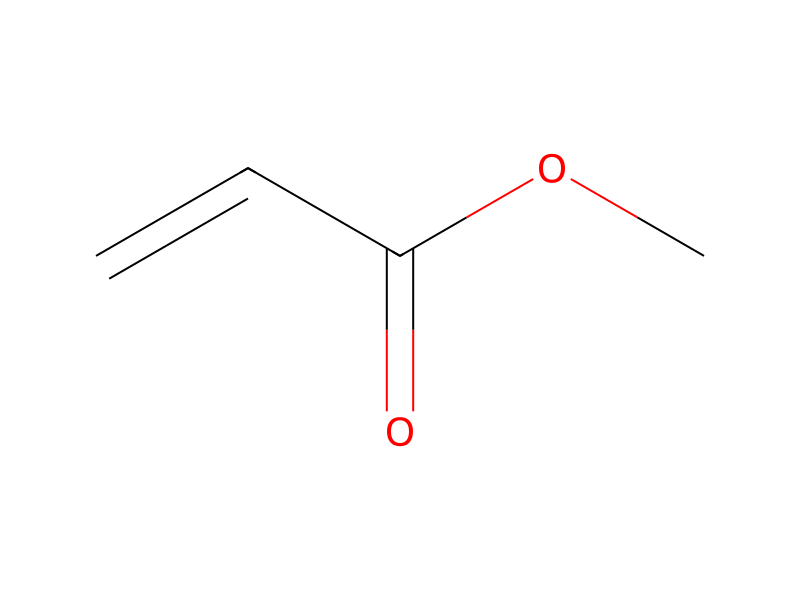
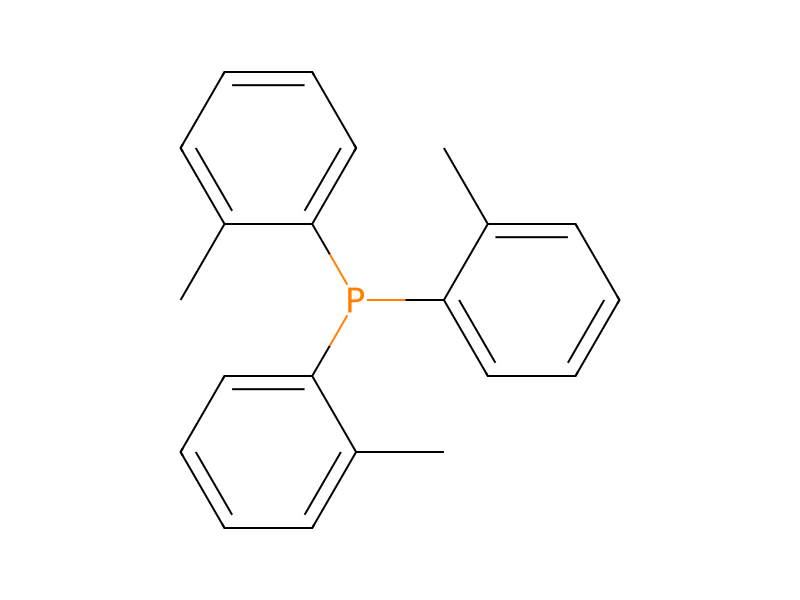
Br[C:2]1[CH:3]=[CH:4][CH:5]=[C:6]2[C:11]=1[N:10]=[C:9]([O:12][CH3:13])[CH:8]=[CH:7]2.CC1C=CC=CC=1P(C1C=CC=CC=1C)C1C=CC=CC=1C.[C:36]([O:40][CH3:41])(=[O:39])[CH:37]=[CH2:38]>CN(C=O)C.CC([O-])=O.CC([O-])=O.[Pd+2]>[CH3:41][O:40][C:36](=[O:39])/[CH:37]=[CH:38]/[C:2]1[CH:3]=[CH:4][CH:5]=[C:6]2[C:11]=1[N:10]=[C:9]([O:12][CH3:13])[CH:8]=[CH:7]2A solution of 8-bromo-2-methyloxyquinoline (10.0 g), Pd(OAc)2 (311 mg), P(o-Tol)3 (1.28 g) in DMF (100 mL) was treated with TEA (17.6 mL) and methyl acrylate (18.93 mL). The solution was purged 3 times with nitrogen and stirred at 120° C. for 1 h. The reaction mixture was diluted with water (200 mL) and extracted with ether/EA. The org. layer was washed with water (3×200 mL) and brine and dried over MgSO4. The solvent was removed under reduced pressure and the residue was purified by CC (Hept/EA 4:1), affording a pale yellow solid (9.34 g; 91% yield).