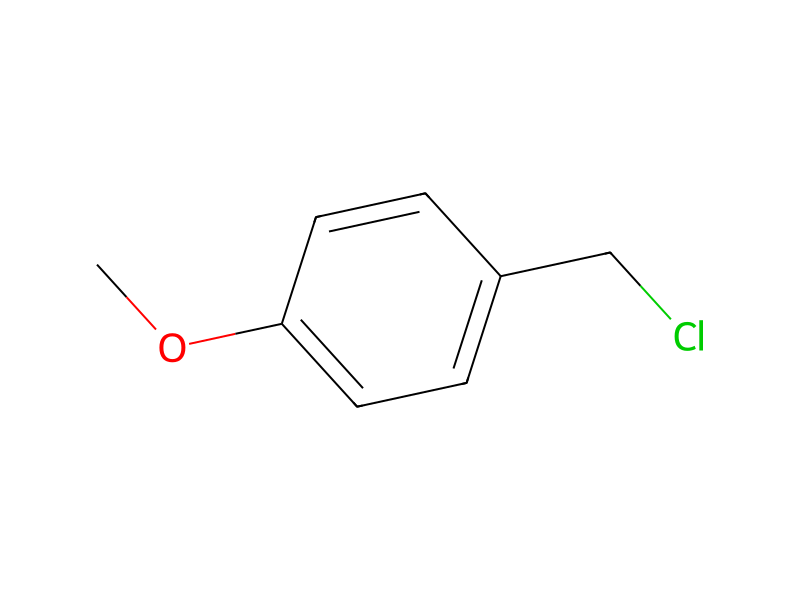
[N+:1]([C:4]1[CH:5]=[C:6]2[C:11](=[CH:12][CH:13]=1)[NH:10][C:9](=[O:14])[CH2:8][CH2:7]2)([O-:3])=[O:2].[CH3:15][O:16][C:17]1[CH:24]=[CH:23][C:20]([CH2:21]Cl)=[CH:19][CH:18]=1.C(=O)([O-])[O-].[K+].[K+].O>CN(C=O)C>[CH3:15][O:16][C:17]1[CH:24]=[CH:23][C:20]([CH2:21][N:10]2[C:11]3[C:6](=[CH:5][C:4]([N+:1]([O-:3])=[O:2])=[CH:13][CH:12]=3)[CH2:7][CH2:8][C:9]2=[O:14])=[CH:19][CH:18]=1A suspension of 6-nitro-3,4-dihydroquinolin-2(1H)-one (500 mg, 2.60 mmol), 4-methoxybenzyl chloride (388 μL, 2.86 mmol) and potassium carbonate (1.08 g, 7.80 mmol) in 10 mL DMF was stirred at room temperature overnight. After this time, the mixture was poured into 20 mL H2O then extracted with 2×50 mL CH2Cl2. The organic layer was separated, washed with brine and concentrated to give a yellow solid which was subjected to flash chromatography on silica gel using 1% MeOH/CH2Cl2 to give an off-white solid (605 mg, 74.5%). 1H-NMR (DMSO-d6) δ: 8.15 (d, J=2.7 Hz, 1H), 8.02 (dd, J=2.7, 9.0 Hz, 1H), 7.15 (dd, J=3.0, 9.0 Hz, 1H), 6.88-6.85 (m, 4H), 5.14 (s, 2H), 3.70 (s, 3H), 3.11-3.06 (m, 2H), 2.80-2.75 (m, 2H).