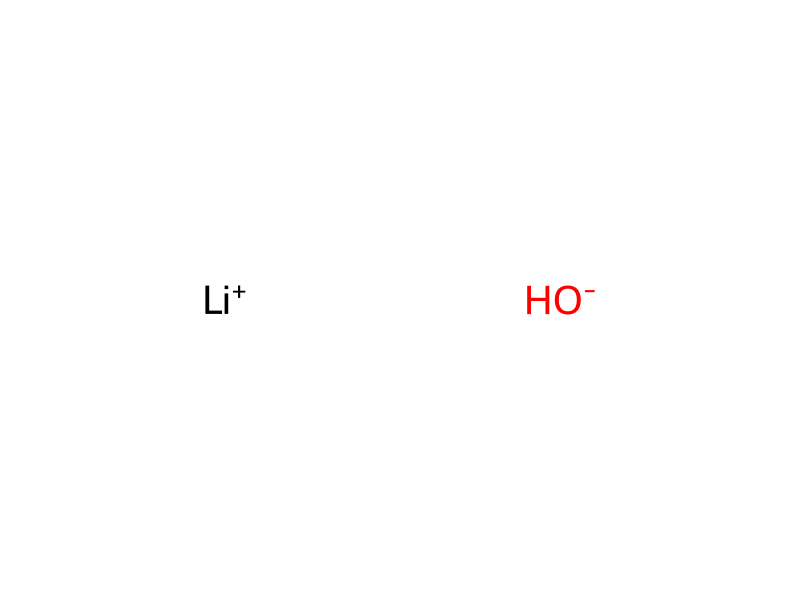
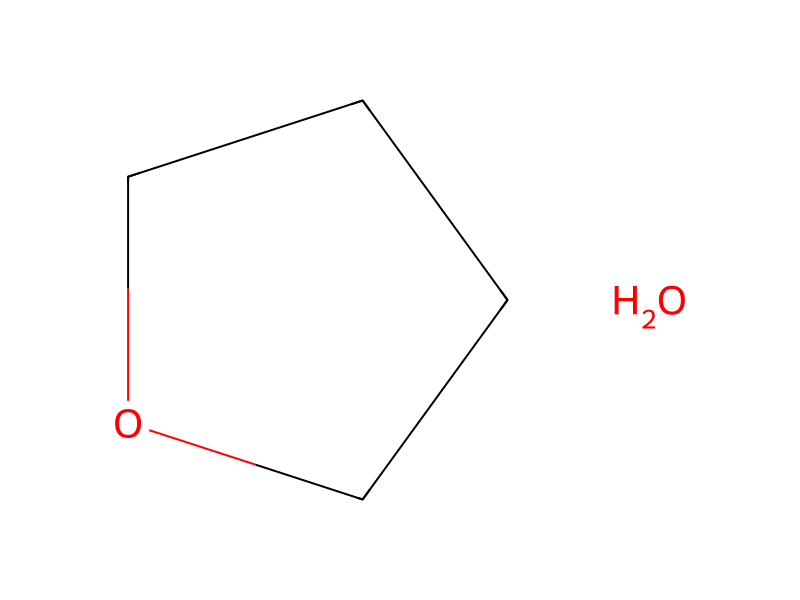
[F:1][C@H:2]1[C@H:7]([O:8]CC2C=CC([N+]([O-])=O)=CC=2)[CH2:6][CH2:5][N:4]([C:19]([O:21][CH2:22][C:23]2[CH:28]=[CH:27][CH:26]=[CH:25][CH:24]=2)=[O:20])[CH2:3]1.[Li+].[OH-].CCOC(C)=O>C1COCC1.O>[F:1][C@H:2]1[C@H:7]([OH:8])[CH2:6][CH2:5][N:4]([C:19]([O:21][CH2:22][C:23]2[CH:28]=[CH:27][CH:26]=[CH:25][CH:24]=2)=[O:20])[CH2:3]1To a solution of benzyl trans-3-fluoro-4-[(4-nitrobenzyl)oxy]piperidine-1-carboxylate (180 g, 0.45 mol) in THF/H2O (1500 mL) was added LiOH (39 g, 0.9 mol) in portions at 0° C. After the addition, the reaction mixture was allowed to warm to room temperature and stirred overnight. TLC (EtOAc:petroleum ether=1:2) showed the starting material was consumed completely. The reaction mixture was extracted with EtOAc (3×500 mL). The combined organic layers were washed with brine (800 mL), dried over anhydrous Na2SO4 and concentrated to a crude residue. The residue was purified by column chromatography (EtOAc:petroleum ether=1:20) to afford benzyl trans-3-fluoro-4-hydroxypiperidine-1-carboxylate as a white solid.