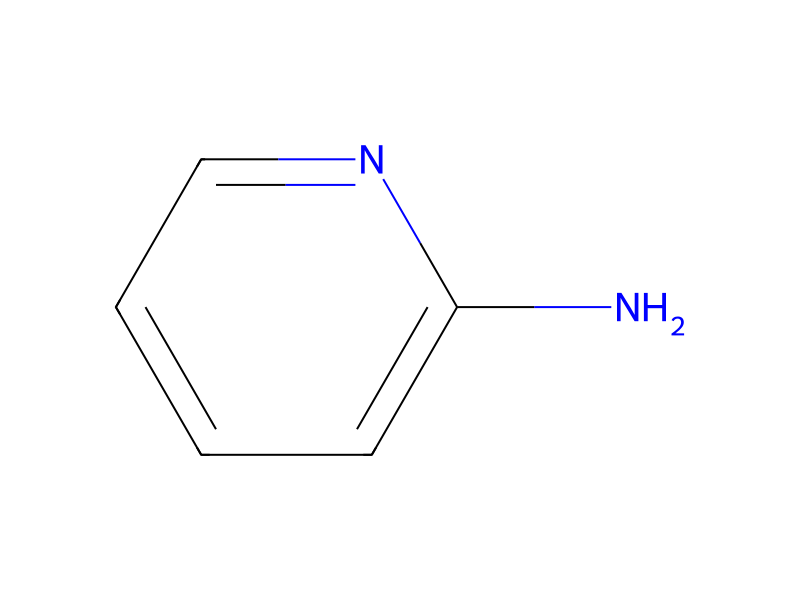
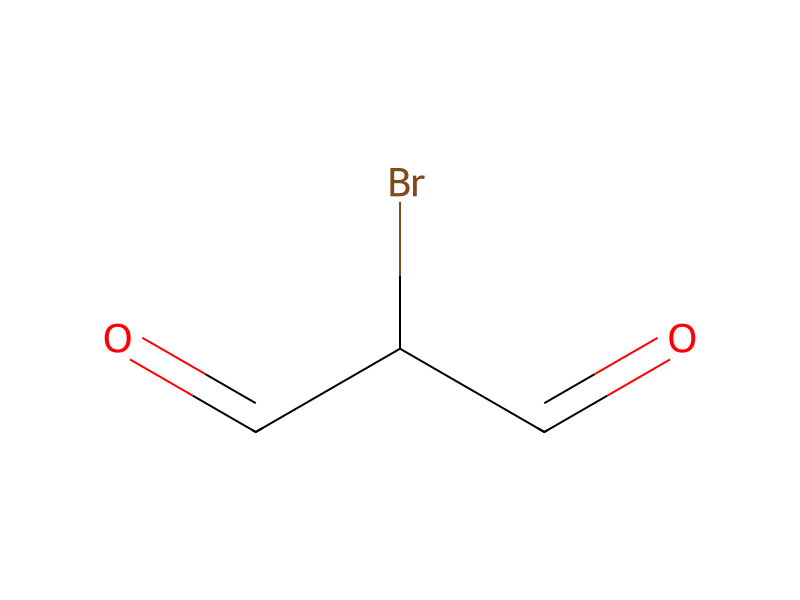
NC1C=CC=CN=1.BrC(C=O)C=O.[N:14]1[CH:15]=[C:16]([CH:23]=O)[N:17]2[CH:22]=[CH:21][CH:20]=[CH:19][C:18]=12.C(N(CC)CC)C.Cl.[NH2:33][CH2:34][CH:35]([C:41]1[CH:46]=[CH:45][CH:44]=[CH:43][CH:42]=1)[CH2:36][C:37](OC)=[O:38]>O1CCOCC1.C(O)C>[N:14]1[CH:15]=[C:16]([CH2:23][N:33]2[CH2:34][CH:35]([C:41]3[CH:46]=[CH:45][CH:44]=[CH:43][CH:42]=3)[CH2:36][C:37]2=[O:38])[N:17]2[CH:22]=[CH:21][CH:20]=[CH:19][C:18]=12A solution of 2-aminopyridine x8 (1 g, 1 eq, 10.6 mmol) and bromomalonaldehyde x9 (1.6 g, 1 eq, 10.6 mmol) in 1.4-dioxane (20 ml) is refluxed for 3 days (Imidazo[1,2-a]pyridine-3-carbaldehyde x10 is formed in situ and not isolated). After cooling to room temperature, triethylamine (2.96 ml, 2 eq, 21.25 mmol), methyl 4-amino-3-phenylbutanoate hydrochloride x1 (2.44 g, 1 eq, 10.6 mmol) and ethanol (10 ml) are successively added. The mixture is then allowed to react during 3 days at room temperature. The reaction mixture is poured on ice, and organic solvents are removed under reduced pressure. The resulting aqueous layer is extracted by CH2Cl2 and the cumulated organic layers are dried over MgSO4, filtered, and condensed under reduced pressure. The crude product is purified by preparative chromatography on silicagel (CH2Cl2/iPrOH: 97/3 (v/v)), then recristallized in ethyl acetate leading to 1-(imidazol-[1,2-a]pyridin-3-ylmethyl)-4-phenylpyrrolidin-2-one 7 as a white powder.