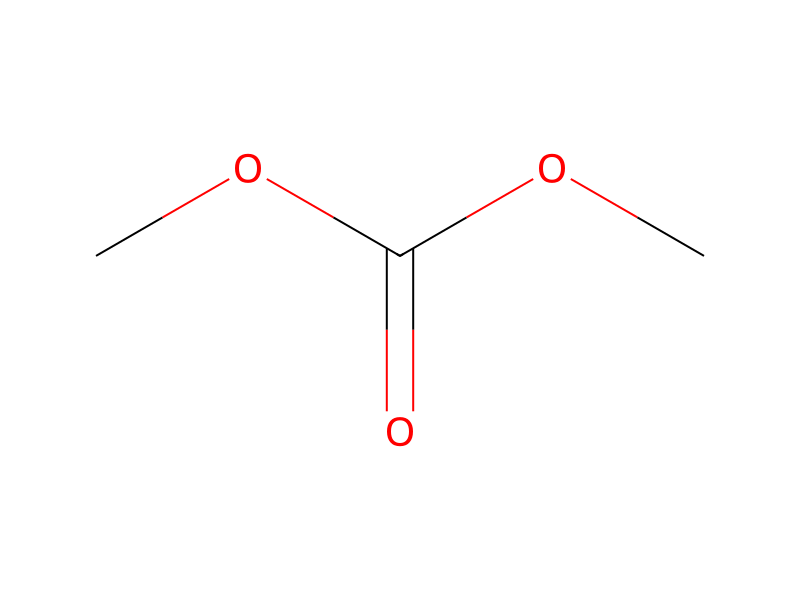
To a solution of methyl 5-(4-bromo-2-formyl-N-isobutylanilino)pentanoate (10.0 g) in dimethylcarbonate (250 ml) was added a methanol solution of 28% sodium methoxide (6.8 g) and the mixture was heated at 50° C. for 3 hours under a nitrogen atmosphere. The mixture was cooled to 0° C., neutralized with 1N hydrochloric acid and extracted with ethyl acetate. The organic layer was washed with saturated saline, and dried over magnesium sulfate. After distilling off the solvent under reduced pressure, the residue was purified by silica gel column chromatography (hexane:ethyl acetate=9:1) to obtain yellow oil of methyl 8-bromo-1-isobutyl-1,2,3,4-tetrahydro-1-benzazocine-5-carboxylate (8.6 g). A suspension of methyl 8-bromo-1-isobutyl-1,2,3,4-tetrahydro-1-benzazocine-5-carboxylate (5.0 g), 4-(2-butoxyethoxy)phenylboric acid (4.8 g) and potassium carbonate (5.6 g) in toluene (60 ml), ethanol (6.0 ml) and water (6.0 ml) was stirred for 30 minutes under an argon atmosphere. After addition of tetrakis(triphenyl)phosphine palladium (0.9 g), the mixture was heated at 105° C. for 3 hours under an argon atmosphere. The mixture was cooled, followed by addition of water, and extraction with ethyl acetate. The organic layer was washed with saturated saline, and dried over magnesium sulfate. After distilling off the solvent under reduced pressure, the residue was purified by silica gel column chromatography (hexane:ethyl acetate=9:1) to obtain yellow oil of methyl 8-[4-(2-butoxyethoxy)phenyl]-1-isobutyl-1,2,3,4-tetrahydro-1-benzazocine-5-carboxylate (5.43 g). The oil was redissolved in THF (50 ml) and methanol (50 ml). To the solution was added aqueous 2N sodium hydroxide solution (23 ml), and the resulting mixture was heated at 90° C. for 3.5 days. The mixture was cooled to 0° C., followed by addition of water, and neutralized with 1N hydrochloric acid. After extraction with ethyl acetate, the organic layer was washed with saturated saline and dried over magnesium sulfate. After distilling off the solvent under reduced pressure, the residue was recrystallized from diisopropylether-ethyl acetate to obtain yellow crystals of 8-[4-(2-butoxyethoxy)phenyl-1-isobutyl-1,2,3,4-tetrahydro-1-benzazocine-5-carboxylic acid (1.04 g).