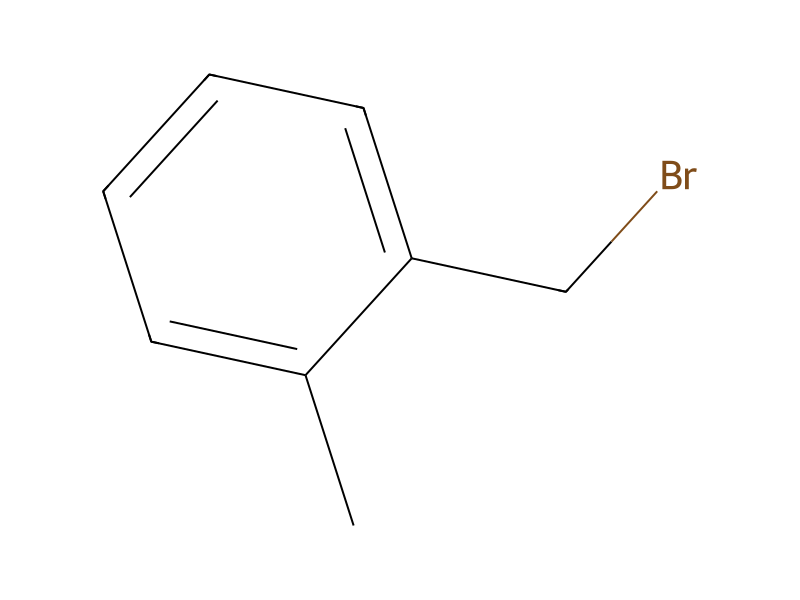
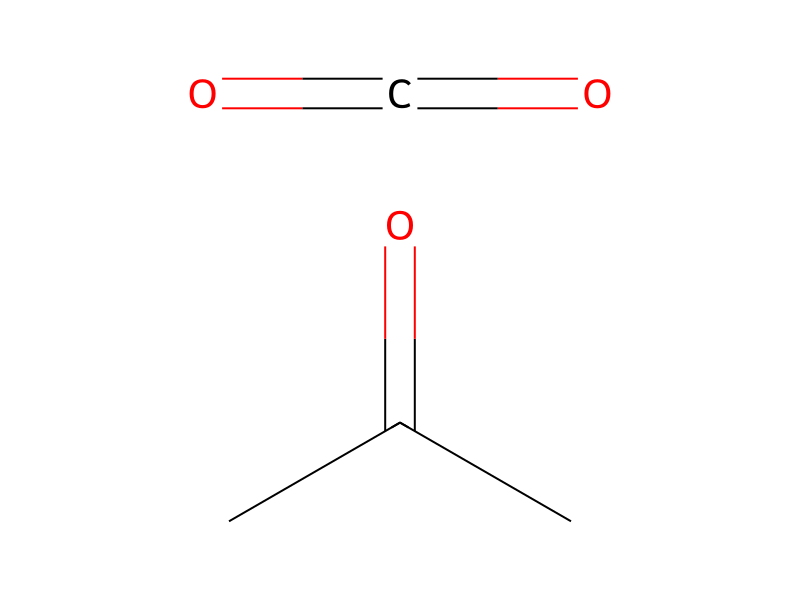
C(=O)=O.CC(C)=O.[Cl:8][C:9]1[CH:29]=[CH:28][C:12]2[N:13]([CH3:27])[C:14](=[O:26])[CH2:15][N:16]=[C:17]([C:18]3[CH:23]=[CH:22][C:21]([O:24][CH3:25])=[CH:20][CH:19]=3)[C:11]=2[CH:10]=1.CC([O-])(C)C.[K+].[CH3:36][C:37]1[CH:44]=[CH:43][CH:42]=[CH:41][C:38]=1[CH2:39]Br>C1COCC1>[Cl:8][C:9]1[CH:29]=[CH:28][C:12]2[N:13]([CH3:27])[C:14](=[O:26])[CH:15]([CH2:36][C:37]3[CH:44]=[CH:43][CH:42]=[CH:41][C:38]=3[CH3:39])[N:16]=[C:17]([C:18]3[CH:19]=[CH:20][C:21]([O:24][CH3:25])=[CH:22][CH:23]=3)[C:11]=2[CH:10]=1To a stirred and cooled (dry ice/acetone bath) solution of E1 (0.50 g, 1.59 mmol) in THF (8 mL) was slowly added 1 M KOtBu (2.4 mL, 2.4 mmol, 1.5 eq). The resulting deep red mixture was stirred over dry ice/acetone bath ˜10 min followed by the slow addition of a solution of 2-methylbenzyl bromide (0.46 g, 2.5 mmol, 1.5 eq) in THF (2 mL). After stirring another ˜35 min at −78° C., the reaction mixture was quenched with water and diluted with EtOAc. The organic layer was dried (Na2SO4), filtered and evaporated (rotovap, then high vacuum). Chromatography over silica gel using 20-40% EtOAc/heptane gave 0.56 g (yield of 84%) of the title product. Noting that, when using benzyl chlorides as alkylating agents, tetrabutyl ammonium iodide was added along with the alkylating agent at the low temperature. 1H NMR (300 MHz, CDCl3) δ 2.38 (s, 3H), 3.41 (s, 3H), 3.5-3.65 (m, 2H), 3.74 (dd, 1H), 3.84 (s, 3H), 6.89 (dt, 2H), 7.05-7.15 (m, 3H), 7.25-7.35 (m, 3H), 7.45-7.5 (m, 3H).
Wird geladen…