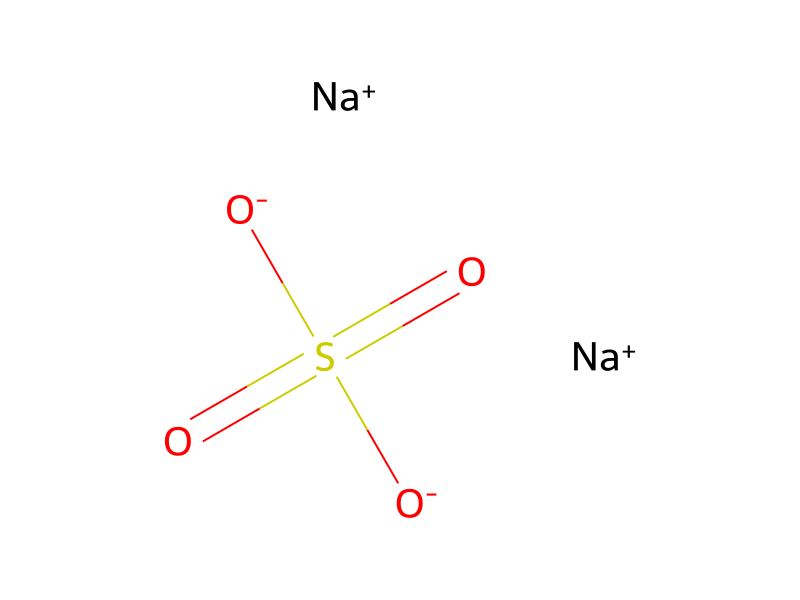
[N+:1]([C:4]1[CH:5]=[N:6][C:7]2[C:12]([CH:13]=1)=[CH:11][CH:10]=[C:9]([OH:14])[CH:8]=2)([O-:3])=[O:2].[H-].[Na+].[CH2:17]([C:19]1[CH:20]=[CH:21][C:22]([CH2:25]Cl)=[N:23][CH:24]=1)[CH3:18].S([O-])([O-])(=O)=O.[Na+].[Na+]>CN(C=O)C.C(OCC)(=O)C>[N+:1]([C:4]1[CH:5]=[N:6][C:7]2[C:12]([CH:13]=1)=[CH:11][CH:10]=[C:9]([O:14][CH2:25][C:22]1[CH:21]=[CH:20][C:19]([CH2:17][CH3:18])=[CH:24][N:23]=1)[CH:8]=2)([O-:3])=[O:2]In DMF (9 mL) was dissolved 3-nitro-7-hydroxyquinoline (1.0 g, 5.28 mmol.). Sodium hydride (210 mg, 5.28 mmol.) and 5-ethyl-2-(chloromethyl)pyridine (818 mg, 5.28 mmol.) were added to the resulting solution under chilling with ice. The mixture was stirred overnight at room temperature. After the completion of reaction was confirmed, ethyl acetate and aqueous sodium sulfate were added. The ethyl acetate portion was recovered, washed with water, and dried over sodium sulfate. The solvent was distilled off under reduced pressure. The residue was purified by silica gel column chromatography (chloroform to chloroform/methanol=50/1), to give 710 mg of the desired compound as a yellowish white crystalline product (yield 44%).