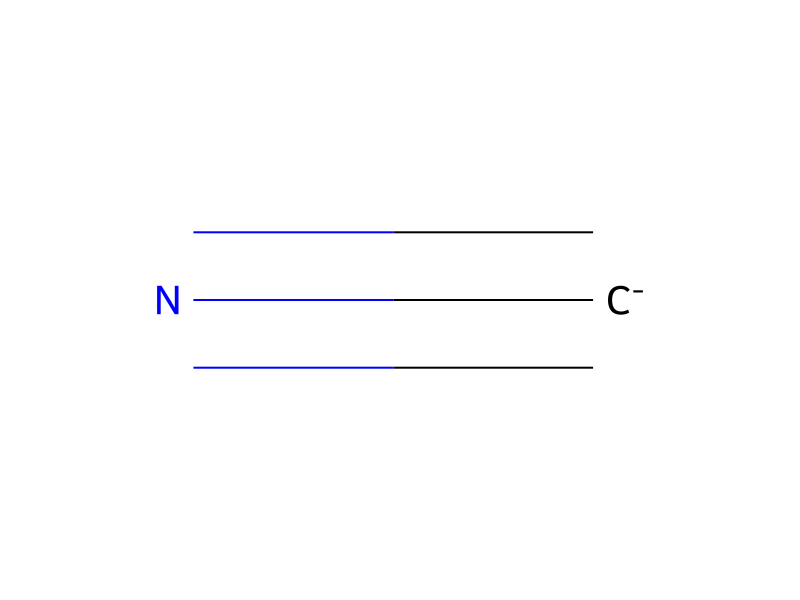
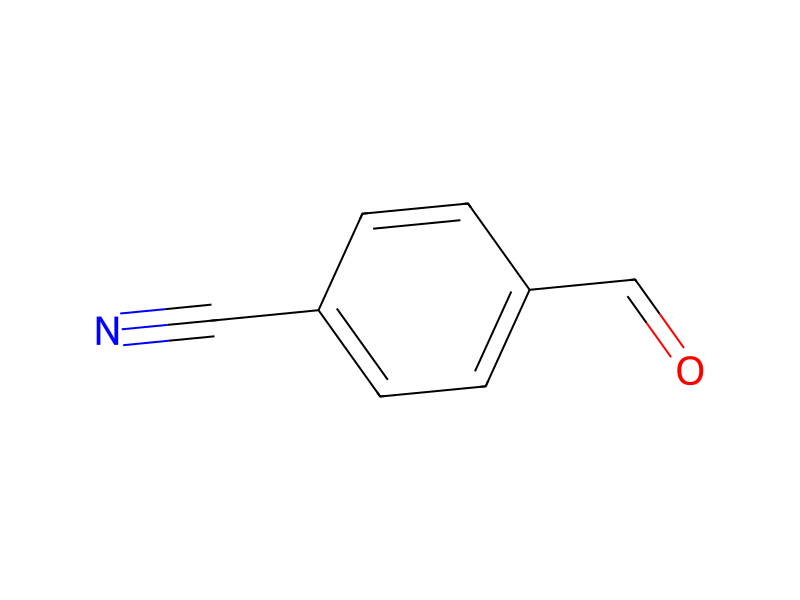
To a solution of tert-butyl azetidine-3-carboxylate acetic acid salt (92.0 g, 0.423 mol) in methanol (1.0 L) at room temperature was added 4-formylbenzonitrile (50.8 g, 0.381 mol). The reaction mixture was cooled to 0° C., and sodium cyanoborohydride (28.8 g, 0.458 mol) was added portion-wise (caution: potential cyanide generation). The reaction mixture was allowed to warm to room temperature and stirring continued overnight. After the reaction mixture was concentrated under reduced pressure the residue was diluted with 10% aqueous sodium bicarbonate solution and extracted with ethyl acetate. The organic layer was collected, washed with brine and dried over anhydrous sodium sulfate. Concentration under reduced pressure followed by purification by silica gel chromatography using 20% ethyl acetate in petroleum ether afforded tert-butyl 1-(4-cyanobenzyl)azetidine-3-carboxylate (89%) (After chromatography, Int.1-D contained a small amount of 4-hydroxymethylbenzonitrile but was taken forward to the next step without further purification). LC/MS M+1=273.18. 1H NMR (400 MHz, CDCl3) δ ppm 1.46 (s, 9H), 3.22-3.31 (m, 3H), 3.48-3.56 (m, 2H), 3.66 (s, 2H), 7.39 (d, J=8.28 Hz, 2H), and 7.60 (d, J=8.28 Hz, 2H).