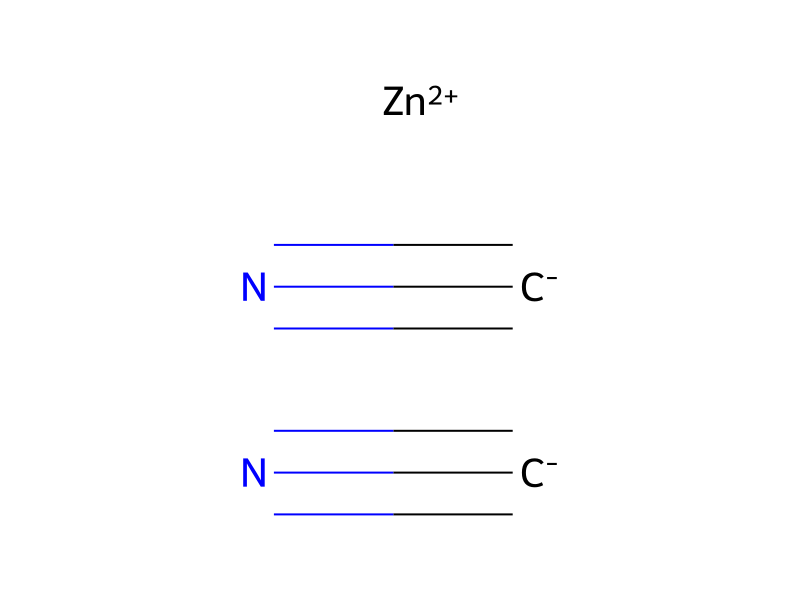
To a solution of 3-amino-4-bromo-benzoic acid (6.0 g, 276 mmol) in dimethyl formamide (30 ml), was added sequentially at ambient temperature zinc cyanide (11.66 g, 99.4 mmol) and tetrakis(triphenylphosphine)palladium (9.57 g, 8.28 mmol). The mixture was heated to 100° C. for 14 hours. The reaction mixture was allowed to cool to ambient temperature before the sequential addition of more zinc cyanide (0.65 g, 5.54 mmol) and tetrakis(triphenylphosphine)palladium (1.9 g, 1.64 mmol) at ambient temperature. The mixture was heated to 100° C. for 1 more hour. The reaction mixture was allowed to cool to ambient temperature and was quenched by addition of a mixture of toluene and aqueous ammonia (1M). The phases were separated and the aqueous layer was extracted with toluene. The combined organic phases were dried over sodium sulfate and concentrated. The residue was purified by column chromatography on silica gel (eluent: ethyl acetate/cyclohexane 1:2 to 1:0) to give 3-amino-4-cyano-benzoic acid (2.94 g, 67% yield).