Lithium iodide → 2-[2-(4-Bromo-2-chloro-phenoxy)-acetylamino]-isonicotinic acid
HRID 1945438
Reaktionsgleichung

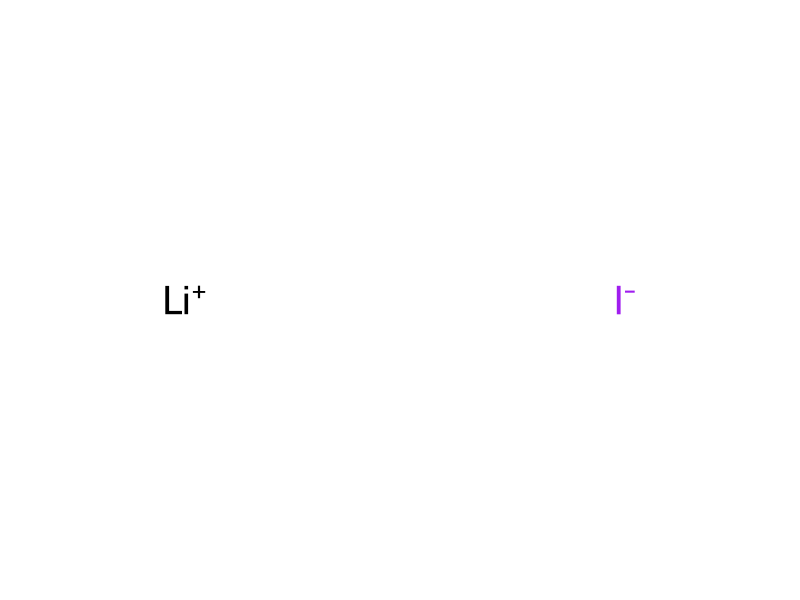
C[O:2][C:3](=[O:23])[C:4]1[CH:9]=[CH:8][N:7]=[C:6]([NH:10][C:11](=[O:22])[CH2:12][O:13][C:14]2[CH:19]=[CH:18][C:17]([Br:20])=[CH:16][C:15]=2[Cl:21])[CH:5]=1.[I-].[Li+]>N1C=CC=CC=1>[Br:20][C:17]1[CH:18]=[CH:19][C:14]([O:13][CH2:12][C:11]([NH:10][C:6]2[CH:5]=[C:4]([CH:9]=[CH:8][N:7]=2)[C:3]([OH:23])=[O:2])=[O:22])=[C:15]([Cl:21])[CH:16]=1Komponenten
4
Edukt 2

Produkt 1

Reagenzien, Katalysatoren, Lösungsmittel 1

Versuchsvorschrift
A solution of 2-[2-(4-bromo-2-chloro-phenoxy)-acetylamino]-isonicotinic acid methyl ester (50 mg, 0.125 mmol) and lithium Iodide (189 mg, 1.25 mmol) in pyridine (3 mL) was heated to reflux until reaction completion, then cooled and distilled off the solvent under reduced pressure. The residue was taken up in water, neutralized and extracted with methanol/MC mixture (10%). The combined extracts were washed with brine and water, dried over anhydrous MgSO4, filtered and concentrated under reduced pressure. The resultant crude product was purified by HPLC (MeOH/MC=10%) to afford 2-[2-(4-bromo-2-chloro-phenoxy)-acetylamino]-isonicotinic acid as a colorless solid (0.012 g, 25% yield).