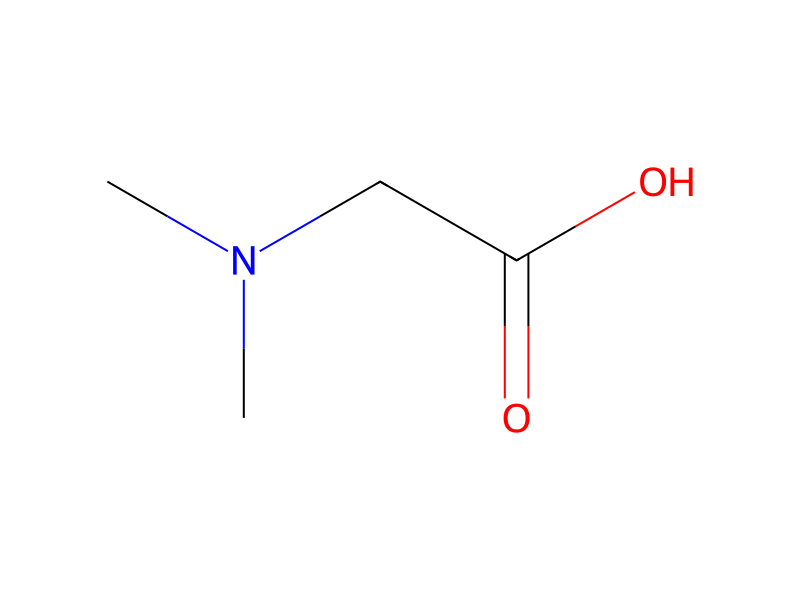
According to Scheme 32 Method A: 5-Bromo-2-methoxypyridine (5.32 mmol, 1.00 g), 4-fluorobenzylalcohol (7.98 mmol, 0.90 g), N,N-dimethylaminoacetic acid (15.9 mmol, 1.69 g), CuI (5.32 mmol, 1.01 g), CsCO3 (12.4 mmol, 4.05 g) in dioxane (25 mL) and DMF (2.5 mL) were heated at 150° C. for 25 min. under microwave irradiation conditions. Then the cooled crude reaction was filtered off over celite. The filtrate was washed with saturated aqueous NH4Cl solution and extracted with AcOEt. The organic layer was separated, dried (Na2SO4) and the solvent was evaporated under reduced pressure. The residue was purified in a manifold (vac.) using a Sep-Pak silica cartridge (heptane/AcOEt, 80/20). The product fractions were collected and the solvent was evaporated to give a mixture of the desired product contaminated with 4-fluorobenzylalcohol. This residue was taken up in AcOEt and washed with aqueous solution of NaOH 1N. The organic layer was separated, dried (Na2SO4) and the solvent was evaporated under reduced pressure giving 5-(4-fluorophenoxy)-2-methoxypyridine (520 mg, 45%).